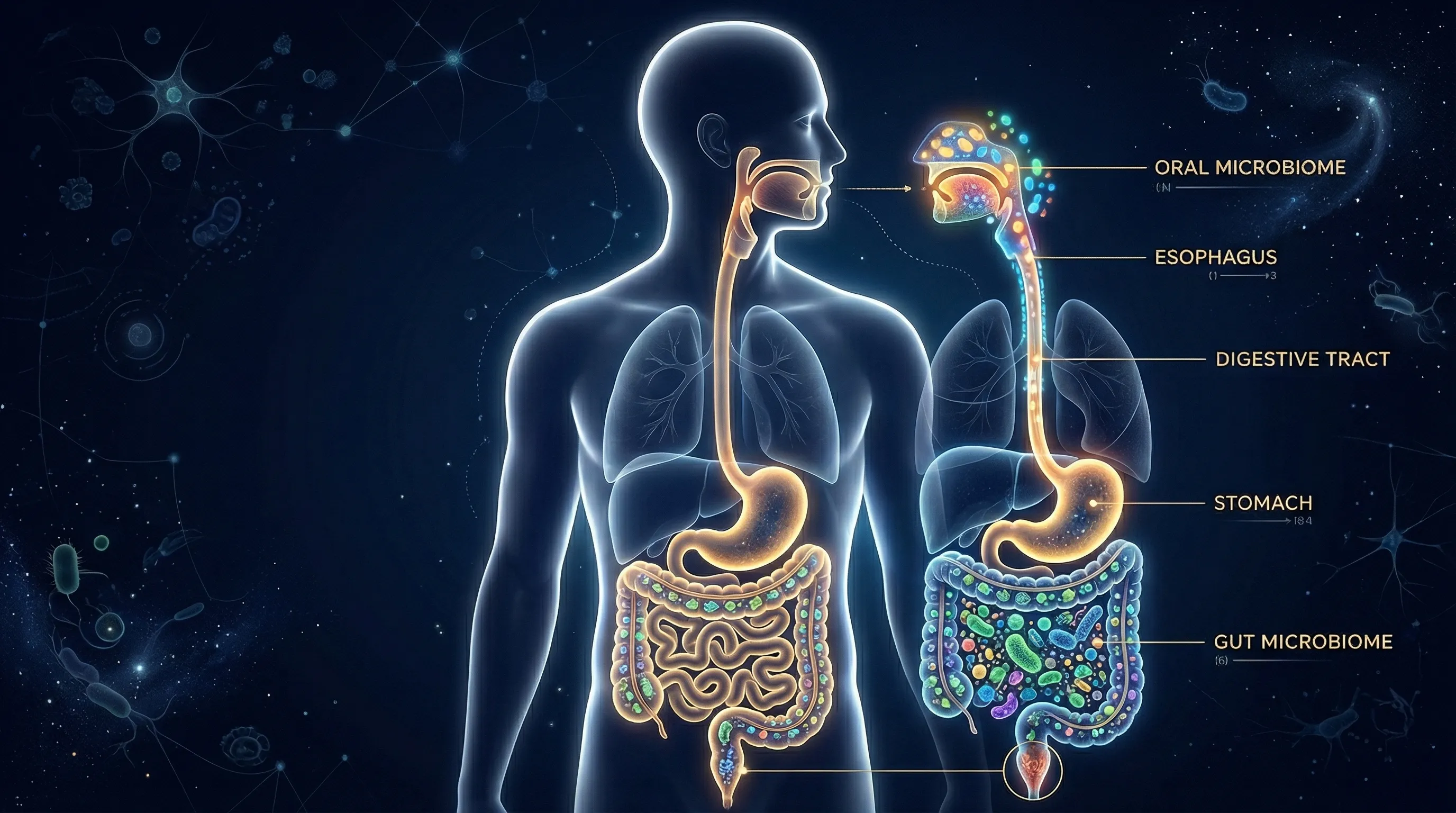
At-home oral microbiome tests can identify the bacterial species living in your mouth and flag potential imbalances. However, the technology has significant limitations: results represent a single snapshot in time, the clinical actionability of findings is still limited, and the science connecting specific microbial profiles to health outcomes is still developing. These tests may be most useful for people with chronic oral health issues seeking deeper insight, but they are not a substitute for regular dental examinations.
The human mouth harbors over 700 species of bacteria, and no two mouths are exactly alike. In recent years, advances in DNA sequencing technology have made it possible to catalog this microbial community in detail — and a growing number of companies are offering that analysis directly to consumers.
At-home oral microbiome tests promise to reveal what's living in your mouth, identify bacterial imbalances, and provide personalized recommendations for improving your oral health. But how useful are these tests in practice? Let's examine what they measure, what the results actually mean, and whether the investment is worthwhile.
What Do Oral Microbiome Tests Measure?
At-home oral microbiome tests typically use one of two DNA sequencing approaches to identify the bacteria in your sample:
16S rRNA Sequencing
Most consumer tests use 16S ribosomal RNA gene sequencing — a well-established method that targets a specific gene present in all bacteria. Different bacterial species have unique variations in this gene, allowing researchers to identify which species are present in a sample.
Strengths: Relatively affordable, well-validated for bacterial identification, extensive reference databases available.
Limitations: Identifies bacteria only to the genus or species level (not strain level), cannot distinguish living from dead bacteria, doesn't assess the functional activity of bacteria (what they're actually doing), and typically doesn't detect fungi, viruses, or archaea.
Shotgun Metagenomic Sequencing
A more comprehensive (and expensive) approach that sequences all DNA in a sample, not just the 16S gene. This provides strain-level identification and can detect functional genes — for example, genes associated with acid production or antibiotic resistance.
Strengths: Higher resolution, strain-level identification, functional gene analysis, can detect non-bacterial microorganisms.
Limitations: More expensive, requires more complex bioinformatics, and the additional data doesn't necessarily translate into more actionable recommendations for the average consumer.
What a Typical Report Includes
A consumer oral microbiome test report generally provides:
- Species identified: A list of the bacterial species detected in your sample, often ranked by relative abundance
- Diversity score: A measure of how many different species are present (higher diversity is generally associated with better oral health)
- Pathogen detection: Flags for known periodontal and caries-associated bacteria like Porphyromonas gingivalis, Treponema denticola, Streptococcus mutans, and Fusobacterium nucleatum
- Health/risk assessment: A summary of how your microbial profile compares to reference populations, often with color-coded risk indicators
- Recommendations: Suggestions for improving your oral microbiome based on your results (diet changes, hygiene modifications, supplement recommendations)
Available Testing Services
Several companies offer consumer-oriented oral microbiome testing. Here's an overview of the landscape:
Bristle Health
Bristle is currently the most prominent consumer oral microbiome testing company. Founded by a team with backgrounds in microbiology and dentistry, Bristle offers comprehensive oral microbiome analysis.
- Method: 16S rRNA and targeted metagenomic sequencing
- What it tests: Over 100 oral bacteria associated with cavities, gum disease, bad breath, and gut health
- Report includes: Disease risk scores, bacterial abundance data, personalized recommendations
- Price range: Approximately $100-$150 per test (prices may vary; check their website for current pricing)
- Turnaround: Approximately 2-3 weeks
Bristle has positioned itself as a science-forward company, publishing its methodology and working with dental professionals to develop clinically relevant interpretations.
Other Services
The consumer oral microbiome testing space is evolving rapidly. Other companies and approaches include:
- Dental clinic-based testing: Some periodontists and advanced dental practices use microbial testing as part of their diagnostic workflow, particularly for patients with aggressive periodontal disease. These clinical tests often use PCR-based methods to detect specific pathogens rather than comprehensive sequencing.
- Research-grade testing: Companies like uBiome (now defunct) previously offered oral microbiome testing. The market continues to evolve, with new entrants appearing regularly.
- Gut microbiome companies expanding to oral: Several established gut microbiome testing companies have begun offering oral panels as add-on tests.
What Can Results Tell You?
Genuinely Useful Information
Oral microbiome tests can provide several types of genuinely useful information:
Pathogen presence and abundance. Knowing that your mouth harbors high levels of P. gingivalis (strongly associated with periodontitis) or S. mutans (the primary cavity-causing species) gives you concrete information about your risk profile. A study published in the Journal of Clinical Periodontology (2018) confirmed that elevated P. gingivalis abundance is a reliable predictor of periodontitis progression.
Microbial diversity assessment. Low diversity in the oral microbiome is associated with disease states. Research in mBio (2017) found that patients with periodontitis had significantly lower microbial diversity than healthy controls. If your test shows low diversity, it's a signal to focus on microbiome-supportive strategies.
Baseline documentation. For people embarking on a new oral health regimen — dietary changes, probiotic supplementation, new hygiene practices — a baseline test provides a reference point for measuring change. Without a baseline, you can't objectively assess whether your interventions are shifting your microbiome.
Motivation and awareness. There's a behavioral component that shouldn't be dismissed. Seeing concrete data about the bacteria in your mouth may motivate better oral hygiene and dietary choices in a way that abstract advice ("brush twice daily") doesn't.
Limitations of Current Testing
Despite these benefits, oral microbiome tests have significant limitations that consumers should understand before investing:
Snapshot in time. Your oral microbiome fluctuates throughout the day based on when you last ate, brushed, slept, and hydrated. A morning sample before brushing will look very different from an afternoon sample after lunch. A single test captures one moment, not a trend.
A study in Microbiome (2017) found significant intra-individual variation in oral microbiome composition across multiple sampling time points, raising questions about how representative a single test truly is.
Association vs. causation. Many bacteria flagged as "pathogenic" in test reports are actually present in healthy mouths in low abundance. Their presence doesn't necessarily mean disease is occurring or imminent. The relationship between microbial composition and disease involves complex ecological dynamics — threshold abundances, bacterial interactions, host immune responses — that a simple presence/absence report can't capture.
Limited actionability. This is the biggest challenge. Even when a test identifies an unfavorable microbial profile, the specific actions you can take are often the same general recommendations that apply to everyone: brush better, floss daily, eat less sugar, eat more fiber, consider probiotics. Truly personalized, microbiome-guided interventions are still largely in the research phase.
Lack of standardized reference ranges. Unlike blood tests where "normal" ranges are well-established, there are no universally agreed-upon reference ranges for oral bacterial species. What counts as "too much" S. mutans or "too little" S. salivarius? Different testing companies may use different thresholds, making cross-company comparisons unreliable.
Variability in collection technique. Sample quality depends on how well the consumer follows collection instructions. Inconsistent swabbing location, duration, and timing can all affect results. Research in the Journal of Oral Microbiology (2020) highlighted the importance of standardized collection protocols for reliable oral microbiome analysis.
Clinical vs. Consumer Testing
It's worth distinguishing between clinical microbiome testing used in dental practice and the consumer tests discussed above.
Clinical Testing
Periodontists have used microbial testing for decades, typically targeting a small panel of known periodontal pathogens (the "red complex" bacteria: P. gingivalis, T. denticola, Tannerella forsythia) using PCR-based methods.
These clinical tests are:
- Ordered by a dentist as part of a diagnostic workup
- Focused on a small number of clinically validated pathogen targets
- Interpreted in the context of clinical findings (pocket depths, bleeding, bone loss)
- Used to guide specific treatment decisions (antibiotic selection, treatment intensity)
A systematic review published in the Journal of Periodontology (2019) found that pathogen-targeted microbial testing was useful for predicting treatment outcomes in aggressive periodontitis cases, supporting its clinical value in specific situations.
Consumer Testing
Consumer tests are:
- Self-ordered without a dental professional's involvement
- Comprehensive (hundreds of species) but less focused on clinically validated targets
- Interpreted by algorithms rather than a clinician who knows your full health picture
- Accompanied by general wellness recommendations rather than specific treatment plans
The gap between these two approaches is narrowing as consumer tests become more sophisticated and dental professionals become more comfortable incorporating microbiome data. But currently, clinical testing performed under professional guidance provides more actionable results.
Cost-Benefit Analysis
The Costs
- Direct cost: $100-$200+ per test, typically not covered by insurance
- Repeat testing: To track trends, you'd need multiple tests over time, multiplying the cost
- Potential for unnecessary anxiety: Identifying "pathogenic" bacteria that may be clinically insignificant can cause worry that leads to unnecessary interventions
The Potential Benefits
- Awareness and motivation: Concrete data about your oral microbiome may drive better behavior
- Baseline for tracking interventions: Useful if you're implementing specific microbiome-targeted strategies
- Early warning signals: Detecting elevated pathogen levels before clinical symptoms appear
- Conversation starter with your dentist: Results can prompt more informed discussions about your oral health
The Verdict
For most people with generally good oral health and no chronic dental issues, consumer oral microbiome testing may not provide enough actionable information to justify the cost. The recommendations you'd receive — better hygiene, less sugar, more fiber, consider probiotics — are good advice for everyone regardless of test results.
However, testing may be more valuable for:
- People with chronic, treatment-resistant oral health problems (recurring cavities despite good hygiene, persistent periodontitis, chronic bad breath) who want deeper insight into what's happening in their oral ecosystem
- Those starting a new oral health intervention (probiotic supplementation, major dietary change) who want objective data to track whether it's working
- Health-curious individuals who find value in data and are willing to invest in self-knowledge
If you do pursue oral microbiome testing, consult your dentist about the results. A dental professional can interpret findings in the context of your clinical picture — pocket depths, radiographic bone levels, caries history — in ways that an algorithm cannot.
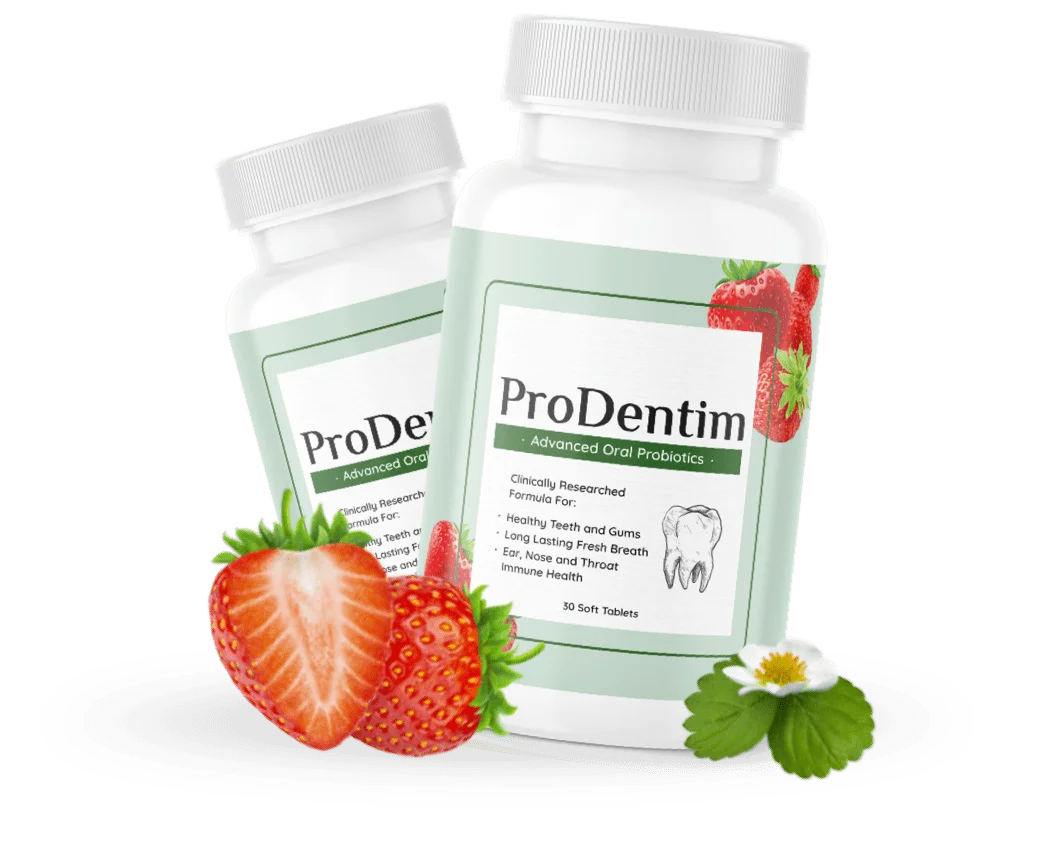
ProDentim
Oral Probiotic for Gum & Teeth Health
If oral microbiome testing reveals an imbalance — or if you simply want to proactively support your oral bacterial ecosystem — an oral probiotic like ProDentim may help. Its clinically studied strains are designed to support a balanced oral microbiome.
We may earn a commission if you make a purchase through our links, at no extra cost to you.
What to Expect From the Testing Process
If you decide to try an oral microbiome test, here's what the typical process looks like:
- Order the kit online. It arrives by mail within a few days.
- Collect your sample. This usually involves swabbing the inside of your cheeks, gums, and tongue with a provided sterile swab, typically first thing in the morning before brushing or eating.
- Return the sample. Place the swab in the provided stabilization solution and mail it back in the prepaid packaging.
- Wait for results. Processing typically takes 2-4 weeks.
- Review your report. Results are delivered through an online dashboard or app, often with explanatory content and recommendations.
Tips for the Most Accurate Results
- Follow the collection instructions precisely — timing (morning, before brushing) matters
- Don't eat, drink, or use mouthwash for at least 30 minutes before collecting
- If you've recently taken antibiotics, wait at least 4 weeks before testing (antibiotics dramatically alter results and won't reflect your typical microbiome)
- If you want to compare results over time, collect samples under the same conditions each time
The Future of Oral Microbiome Testing
The field is advancing rapidly. Several developments may make oral microbiome testing significantly more useful in coming years:
Better reference databases. As more people are tested, the databases linking microbial profiles to health outcomes will grow, improving the accuracy of risk predictions. The Human Oral Microbiome Database (HOMD) continues to expand, now cataloging over 770 species.
Integration with clinical data. Companies are beginning to partner with dental practices, allowing test results to be interpreted alongside clinical findings. This integration could significantly improve actionability.
Longitudinal tracking. Subscription-based testing models that track your microbiome over time (rather than providing a single snapshot) may provide much more meaningful data about trends and intervention responses.
Personalized probiotic recommendations. As the field matures, tests may be able to recommend specific probiotic strains based on the gaps in your individual microbiome — moving beyond one-size-fits-all supplementation. Research published in Nature Medicine (2021) demonstrated the feasibility of microbiome-guided personalized nutrition, a concept that could eventually extend to oral health.
Multi-omic analysis. Future tests may combine microbial identification with metabolomic analysis (measuring what the bacteria are actually producing), providing functional information — not just who's there, but what they're doing.
For now, oral microbiome testing is best viewed as an emerging tool with genuine potential that hasn't yet reached its full clinical utility. It can provide interesting and sometimes useful information, but it's not yet the personalized oral health roadmap that marketing materials sometimes imply.