Gingivitis (early gum disease) can be reversed naturally through improved oral hygiene, dietary changes, and targeted supplements. Periodontitis (advanced gum disease) cannot — it requires professional treatment. The honest answer: natural methods work well for prevention and early-stage disease, but they have limits. Knowing where those limits are can save your teeth.
"Can I reverse gum disease naturally?" is one of the most searched dental health questions online. The answer is nuanced — and getting it wrong could cost you your teeth.
Here's the evidence-based truth: it depends entirely on which stage of gum disease you're dealing with.
The Critical Distinction: What You Can and Cannot Reverse
Gingivitis — YES, Naturally Reversible
Gingivitis is inflammation of the gum tissue without bone loss. Because no structural damage has occurred, the condition is fully reversible with proper care. Many people reverse gingivitis entirely through home care, without needing any professional treatment beyond a cleaning.
Periodontitis — NO, Not Without Professional Treatment
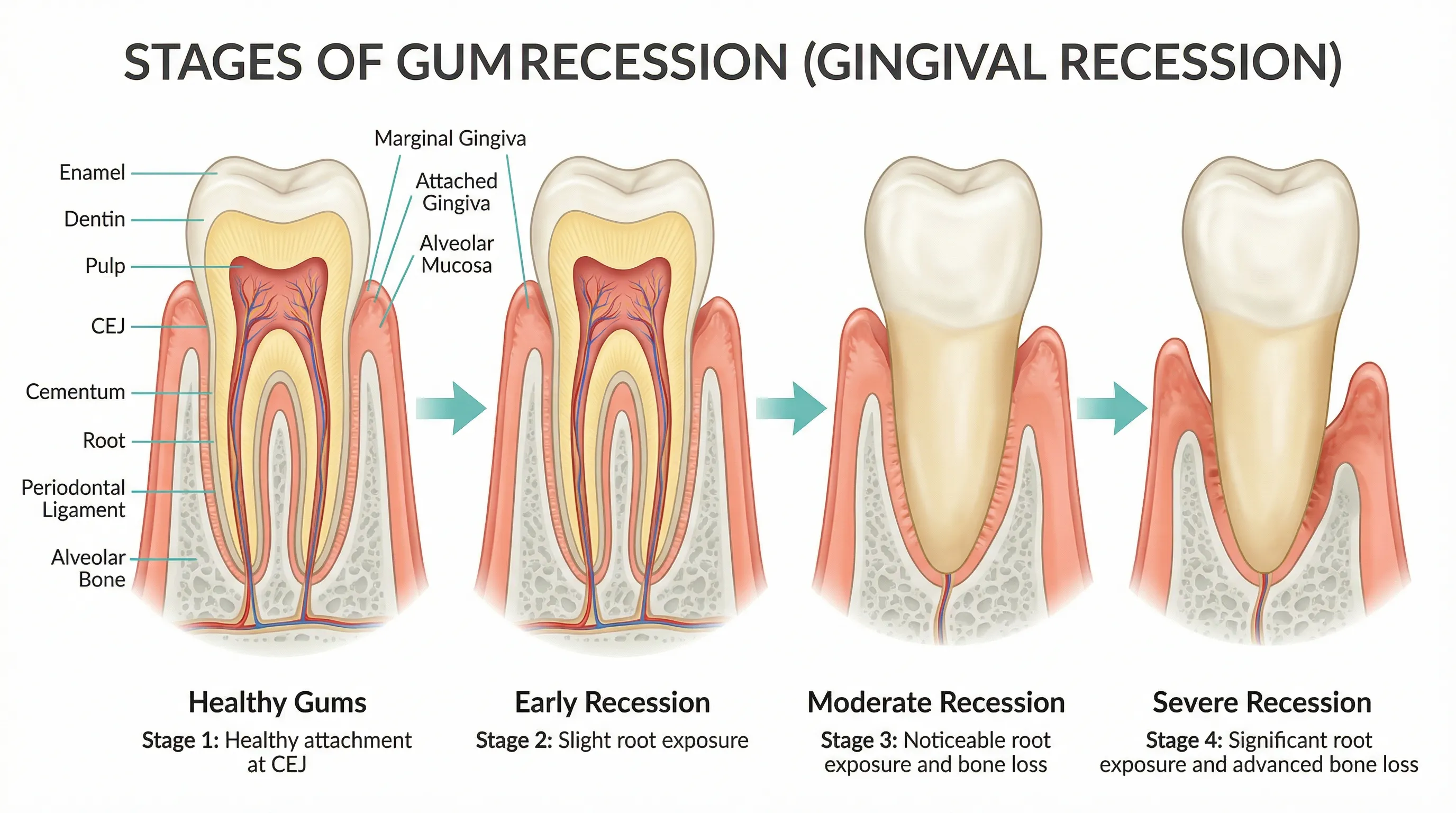
Once gum disease has progressed to periodontitis — meaning bone loss, deep pockets, and connective tissue destruction — natural methods alone cannot reverse the damage. The bone doesn't grow back. The deep pockets harbor bacteria that home care can't reach.
Natural approaches can support professional treatment and help prevent recurrence, but they cannot replace scaling and root planing or periodontal surgery when those are needed.
If you're unsure which stage you're at, see a dentist. The difference is visible only on X-rays and with periodontal probing.
Evidence-Based Natural Methods That Work
1. Improved Oral Hygiene (The Foundation)
This isn't glamorous, but it's the single most effective "natural" intervention:
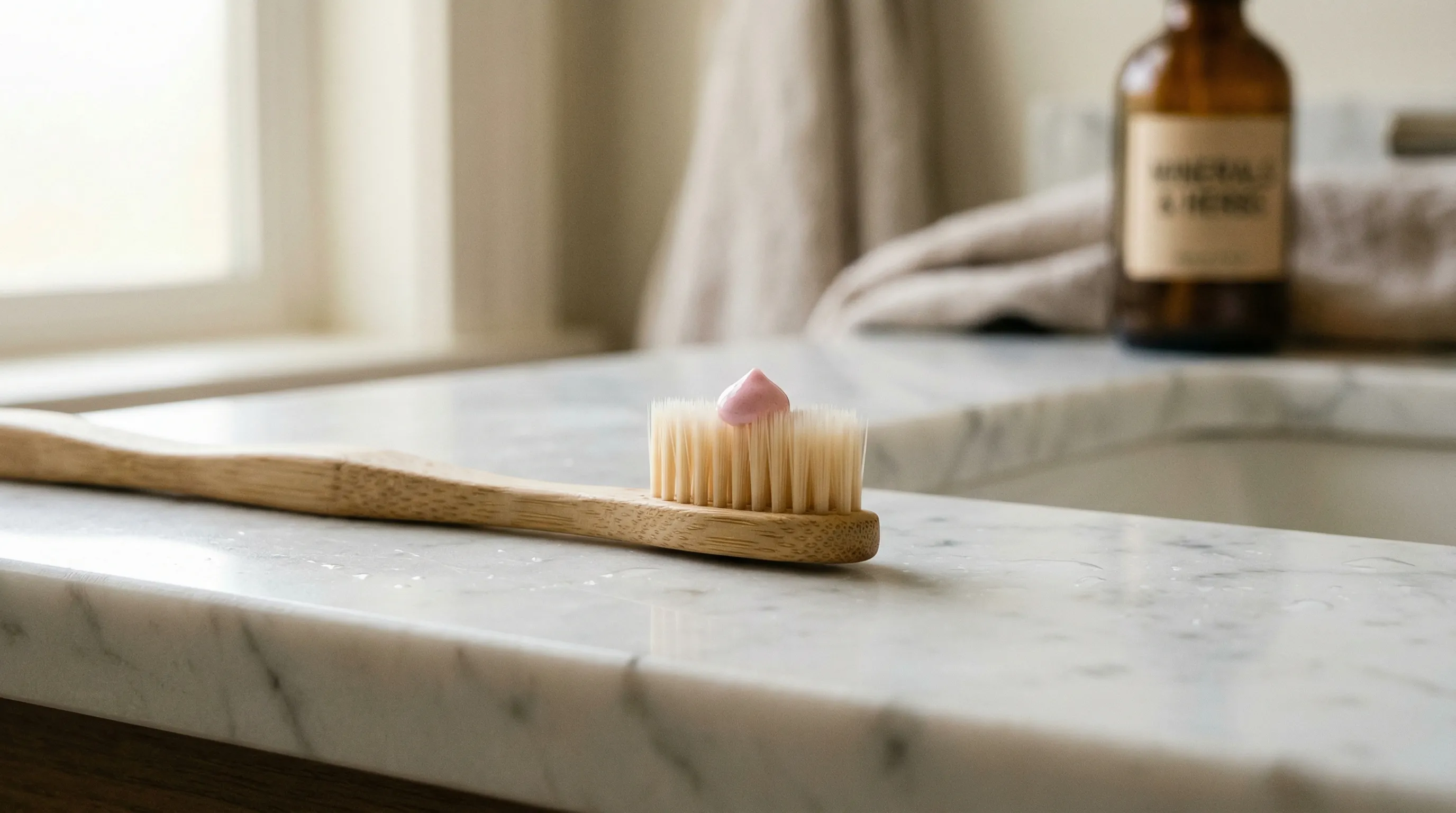
Proper brushing technique:
- Soft-bristle brush at a 45-degree angle to the gumline
- Gentle circular motions (Modified Bass technique)
- 2 minutes, twice daily
- Replace brush every 3 months
Daily flossing:
- C-shape wrap around each tooth
- Slide gently below the gumline
- Use a fresh section for each tooth
A study in the Journal of Clinical Periodontology (2015) found that effective plaque removal alone reversed gingivitis in 95% of cases within 4 weeks. No supplement, herb, or rinse matches the effectiveness of consistent mechanical plaque removal.
2. Saltwater Rinses
Simple, cheap, and supported by evidence. A randomized controlled trial in the Journal of Indian Society of Periodontology (2015) found that saltwater rinses:
- Reduced bacterial load in the oral cavity
- Decreased gingival inflammation
- Were comparable to chlorhexidine for mild gingivitis
How to use: Dissolve 1/2 teaspoon of salt in 8 ounces of warm water. Swish for 30 seconds, 2-3 times daily. Continue for 2-4 weeks alongside improved brushing.
3. Oil Pulling
Oil pulling (swishing oil in the mouth for 15-20 minutes) has been used in Ayurvedic medicine for centuries. Modern research has evaluated it:
- A systematic review in the Journal of Traditional and Complementary Medicine (2020) found that oil pulling with coconut or sesame oil reduced plaque and gingivitis scores comparably to chlorhexidine mouthwash
- A study in the Nigerian Journal of Medicine (2015) found that oil pulling reduced Streptococcus mutans counts in saliva
How to use: Swish 1 tablespoon of coconut oil for 15-20 minutes on an empty stomach. Spit into trash (not the sink — it can clog pipes). Don't swallow. Brush afterward.
Limitation: Oil pulling may reduce bacterial load, but it cannot reach below the gumline or remove calcified plaque (tartar). It complements brushing — it doesn't replace it.
4. Dietary Changes
Your diet directly affects gum health. Evidence-supported dietary strategies:
Increase:
- Vitamin C-rich foods — Bell peppers, citrus, strawberries, kiwi, broccoli. Vitamin C is essential for collagen synthesis in gum tissue. A study in the American Journal of Clinical Nutrition (2000) showed a dose-response relationship between vitamin C and gum bleeding.
- Omega-3 fatty acids — Fatty fish (salmon, sardines, mackerel), walnuts, flaxseeds. A systematic review found omega-3s reduced periodontal inflammation markers (Journal of the American Dietetic Association, 2010).
- Leafy greens — Rich in vitamin K, folate, and fiber that support gum health
- Probiotic foods — Yogurt, kefir, sauerkraut may support oral microbial balance
- Green tea — EGCG catechins reduce oral pathogen counts and inflammation (Archives of Oral Biology, 2016)
Decrease:
- Sugar — Feeds S. mutans and other pathogenic bacteria
- Refined carbohydrates — Break down to sugars quickly, promoting plaque
- Alcohol — Dries the mouth, reducing saliva's protective effect
- Acidic beverages — Erode enamel and irritate inflamed gums
5. Oral Probiotic Supplements
Oral probiotics represent one of the most promising natural approaches for gum disease support. Unlike gut probiotics, oral probiotics are designed to colonize the mouth directly.
The evidence:
- A systematic review in the Journal of Clinical Periodontology (2020) found L. reuteri supplementation reduced bleeding on probing and pocket depth in periodontitis patients
- A meta-analysis in Nutrients (2021) found probiotic supplementation improved clinical attachment levels
- L. reuteri produces reuterin, a natural antimicrobial compound that inhibits periodontal pathogens
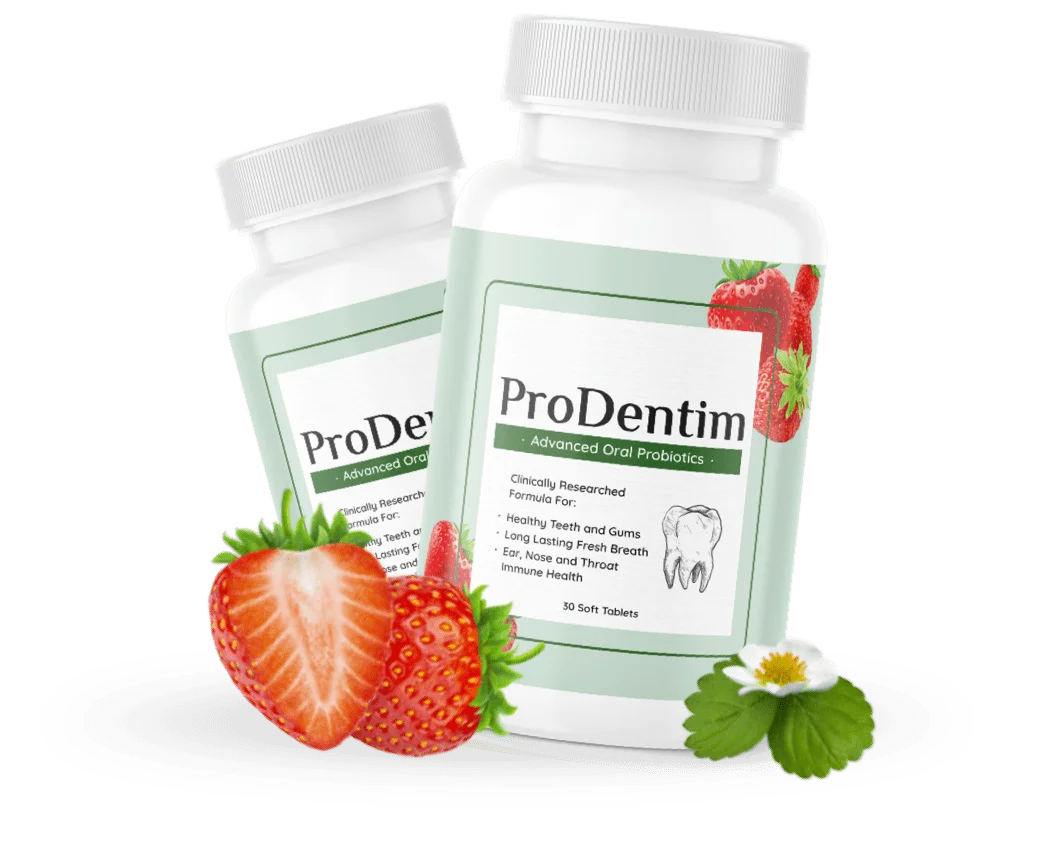
ProDentim
Oral Probiotic for Gum & Teeth Health
ProDentim delivers L. reuteri at 3.5 billion CFU in a dissolving tablet format. Clinical evidence supports its use for reducing gum inflammation and bleeding.
We may earn a commission if you make a purchase through our links, at no extra cost to you.
6. Vitamin and Mineral Supplementation
Specific nutrients support gum health from the inside:
- Vitamin C (500-1000mg daily) — Supports collagen and immune function in gum tissue
- Vitamin D3 (2000-4000 IU daily) — Deficiency linked to increased periodontitis risk (Journal of Periodontal Research, 2020)
- CoQ10 (100-200mg daily) — A meta-analysis found it reduced gum inflammation and pocket depth (Journal of Indian Society of Periodontology, 2021)
- Omega-3 (1-2g EPA/DHA daily) — Anti-inflammatory effects reduce periodontal destruction

Denticore
Gum & Tooth Support Supplement
DentiCore combines CoQ10 with calcium, phosphorus, and tissue-supporting nutrients in a single daily capsule for comprehensive nutritional gum support.
We may earn a commission if you make a purchase through our links, at no extra cost to you.
7. Turmeric/Curcumin
Curcumin has genuine anti-inflammatory research for oral health:
- A meta-analysis in the Journal of Indian Society of Periodontology (2020) found curcumin mouthwash reduced plaque and gingivitis comparably to chlorhexidine
- Curcumin inhibits the NF-kB inflammatory pathway implicated in periodontal destruction
How to use: Curcumin supplements (500mg daily with black pepper extract for absorption) or turmeric paste applied to gums. More effective systemically as a supplement than topically.
8. Aloe Vera
Aloe vera has anti-inflammatory and antimicrobial properties:
- A study in the Journal of Clinical and Experimental Dentistry (2017) found that aloe vera gel reduced plaque and gingivitis when used as an adjunct to brushing
- Contains compounds (acemannan, aloin) that promote wound healing
How to use: Apply pure aloe vera gel to inflamed gums for 10 minutes, then rinse. Or use aloe vera-based dental gel. Not a standalone treatment.
A Realistic 4-Week Protocol for Gingivitis Reversal
Week 1:
- Switch to soft-bristle brush with Modified Bass technique
- Begin daily flossing (bleeding is expected initially — it will decrease)
- Start saltwater rinses 2x daily
- Begin vitamin C supplementation (500mg)
Week 2:
- Continue Week 1 habits (bleeding should already be decreasing)
- Add oil pulling 3-4 mornings per week
- Begin oral probiotic (e.g., ProDentim) for microbial rebalancing
- Reduce sugar intake
Week 3:
- All habits from Weeks 1-2
- Bleeding should be noticeably reduced
- Increase dietary vitamin C, omega-3, and green tea
- Consider adding CoQ10 or DentiCore for nutritional support
Week 4:
- Continue all habits
- Bleeding should be minimal to none
- If bleeding persists, schedule a dental cleaning (you may have calculus that home care can't remove)
Methods That Don't Work (Or Are Overhyped)
Being honest about what doesn't have evidence is as important as knowing what does:
- Hydrogen peroxide rinses — May kill surface bacteria but also damages healthy tissue at higher concentrations. Not recommended without dental supervision.
- Baking soda alone — Mildly antibacterial but doesn't reach subgingival plaque. Not harmful, but not sufficient.
- Essential oil mouthwashes — Listerine-type rinses kill bacteria but can also disrupt beneficial oral bacteria and cause dry mouth with prolonged use
- "Dental detox" products — Often unregulated, poorly formulated, and making unsubstantiated claims
- Colloidal silver — No evidence for oral health benefits, potential for toxicity (argyria)
When Natural Methods Aren't Enough
See a dentist if:
- Bleeding hasn't improved after 3-4 weeks of consistent home care
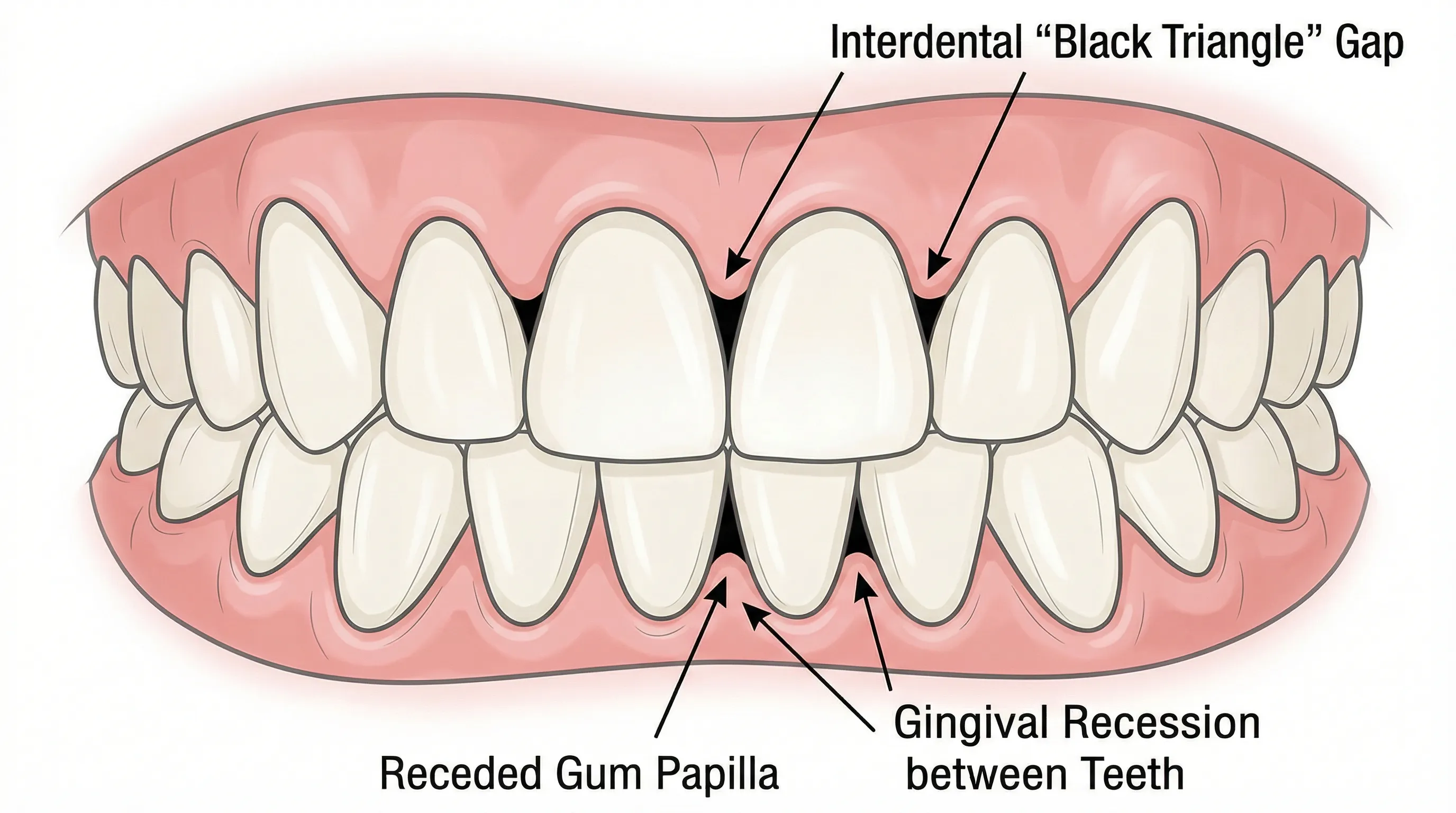
- You have deep pockets (4mm+) or visible gum recession
- Teeth feel loose or have shifted position
- You see pus between teeth and gums
- Bad breath persists despite improved hygiene
These signs suggest periodontitis, which requires professional scaling and root planing at minimum. Natural methods can support but not replace that treatment.
The bottom line: Natural approaches work well for gingivitis and prevention. They support professional treatment for periodontitis. But they cannot replace professional care when bone loss has already occurred. Know your limits, and don't let online claims about "curing" gum disease delay treatment that your teeth urgently need.