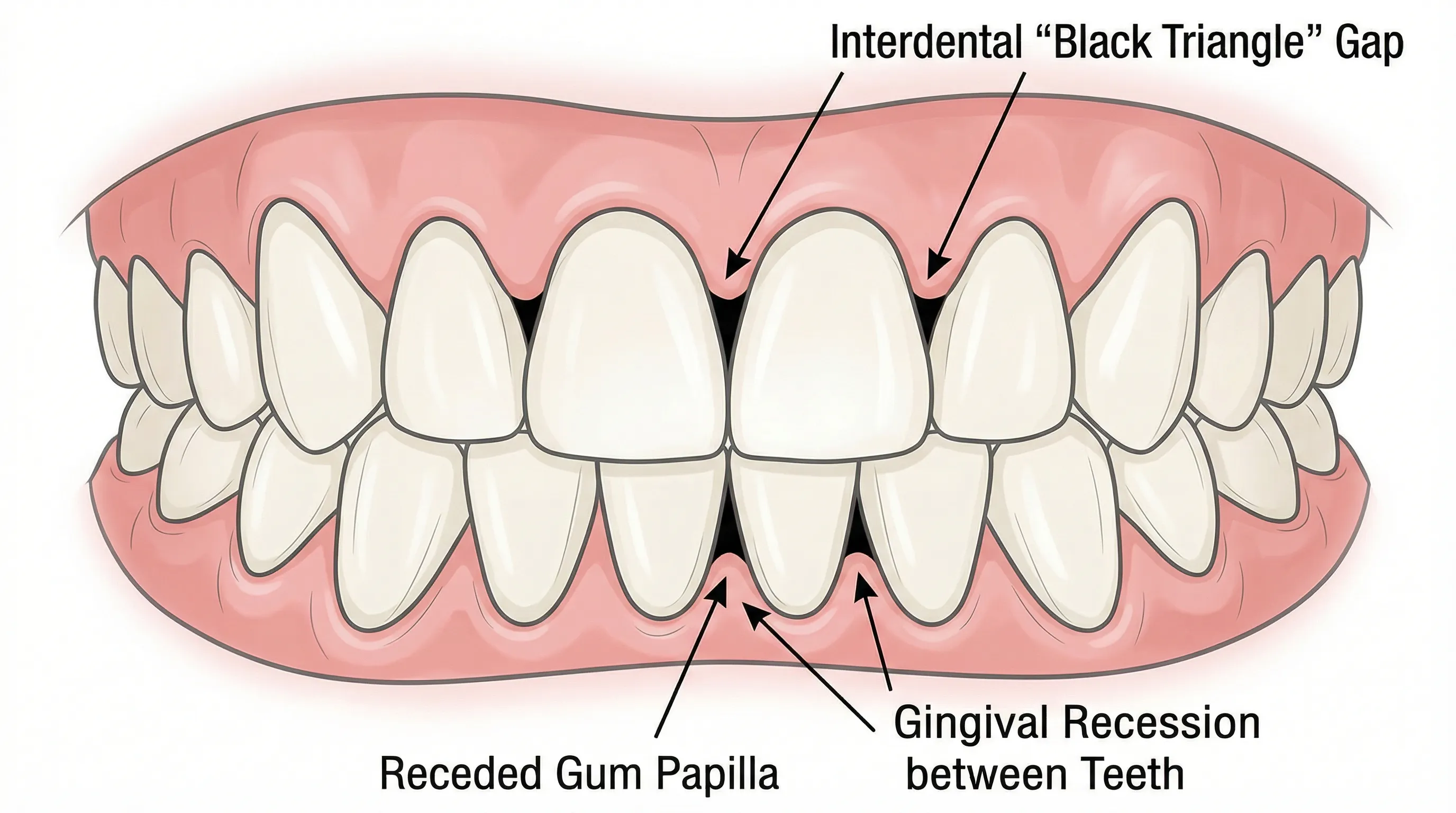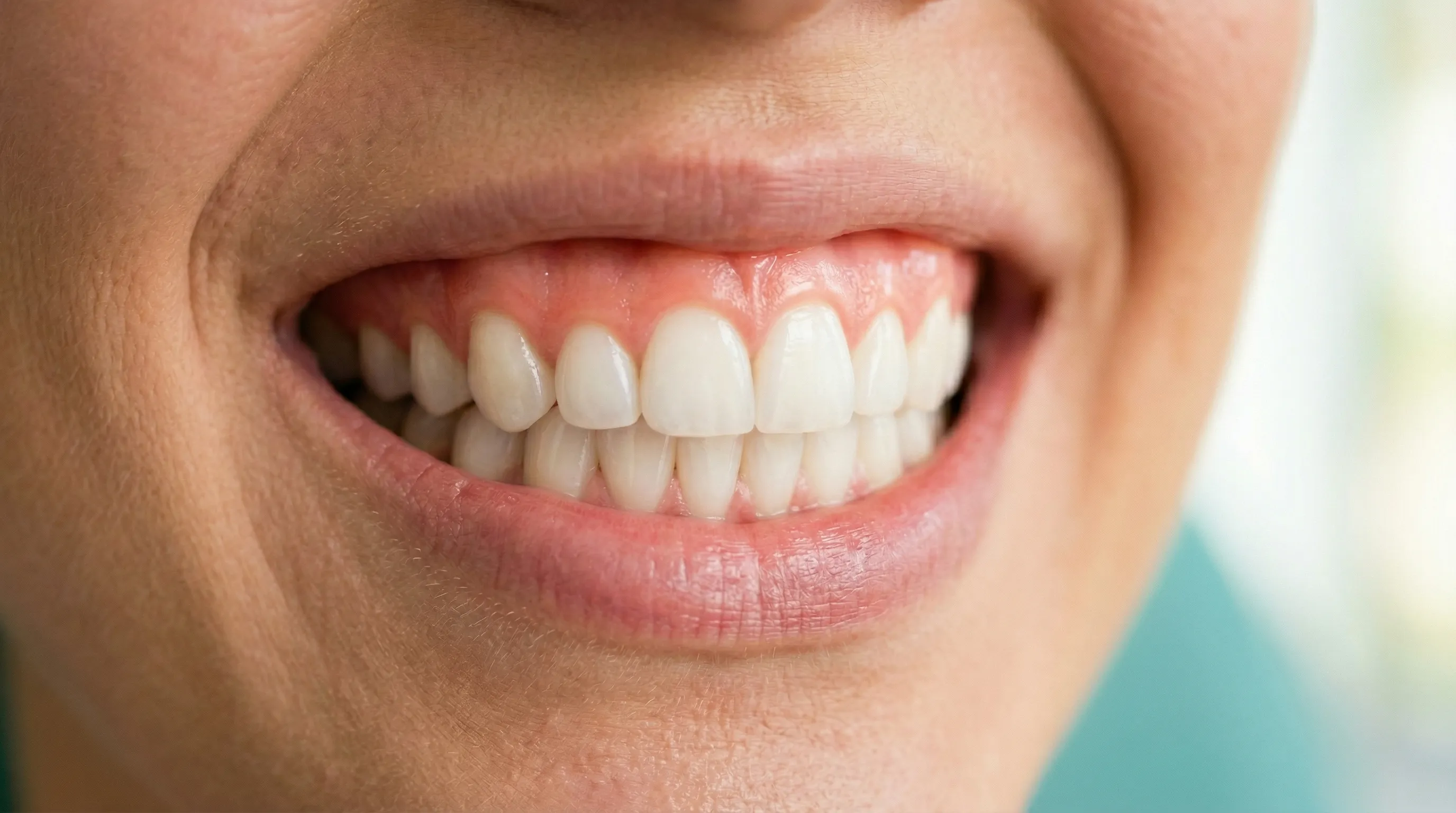
Bleeding gums when brushing is the earliest visible sign of gum disease — but it's also the most treatable stage. In most cases, bleeding gums are caused by plaque-driven inflammation (gingivitis) that's fully reversible with improved oral hygiene. Don't stop brushing because your gums bleed — that makes the problem worse. Instead, brush more gently with proper technique and address the underlying cause.
You're brushing your teeth and notice pink in the sink. Maybe your floss comes out tinged with blood. It's alarming, but it's also incredibly common — roughly 75% of American adults experience bleeding gums at some point, according to the American Academy of Periodontology.
But common doesn't mean normal. Healthy gums don't bleed. If yours do, something is wrong, and the good news is that it's usually fixable.
Why Do Gums Bleed When Brushing?
1. Gingivitis (The Most Common Cause)
Gingivitis — inflammation of the gum tissue caused by bacterial plaque accumulation — accounts for the vast majority of bleeding gums. When plaque builds up along the gumline, bacteria produce toxins that irritate the gum tissue. Your body responds with inflammation: increased blood flow, swelling, and fragile capillaries that bleed easily when touched.
A study published in the Journal of Clinical Periodontology (2018) found that gingivitis is present in 50-90% of adults worldwide, making it the most prevalent inflammatory condition in humans.
The reassuring part: gingivitis is fully reversible. Improved brushing, flossing, and professional cleaning can eliminate gingivitis completely, typically within 2-4 weeks.
2. Brushing Too Hard
Aggressive brushing is the second most common cause of bleeding gums. Using a hard-bristle brush or pressing too hard can physically damage gum tissue, causing bleeding independent of gum disease.
Signs that your brushing technique is the problem:
- Frayed, splayed toothbrush bristles (replacing your brush every month instead of every 3 months)
- Bleeding is worse on the outer surfaces of your teeth (where brushing pressure is highest)
- Gum recession at the gumline without other signs of periodontitis
The fix: Switch to a soft-bristle brush and use gentle circular motions rather than aggressive back-and-forth scrubbing. An electric toothbrush with a pressure sensor can help.
3. Starting a New Flossing Routine
If you've just started flossing after a period of not flossing, bleeding is expected for the first 1-2 weeks. The gum tissue between teeth has been chronically inflamed from undisturbed plaque, and the act of flossing removes that plaque and stimulates healing.
The bleeding should decrease noticeably within a week and stop entirely within 2-3 weeks of daily flossing. If it persists beyond that, see your dentist.
4. Medications
Several common medications increase bleeding gum risk:
- Blood thinners (warfarin, heparin, aspirin) — Reduce clotting ability, making gum tissue bleed more easily
- Anticonvulsants (phenytoin) — Can cause gum overgrowth (gingival hyperplasia) that traps more plaque
- Calcium channel blockers (nifedipine, amlodipine) — Also associated with gum overgrowth
- Immunosuppressants (cyclosporine) — Linked to gingival enlargement
If you take any of these medications, mention gum bleeding to both your dentist and prescribing doctor. Don't stop medications without medical guidance.
5. Hormonal Changes
Hormonal fluctuations increase gum sensitivity to plaque bacteria:
- Pregnancy gingivitis affects 60-75% of pregnant women, typically peaking in the second and third trimesters (Journal of Clinical Periodontology, 2013)
- Puberty gingivitis is common in adolescents due to hormonal surges
- Menstrual cycle — Some women experience increased gum bleeding before their period
- Menopause — Declining estrogen can thin gum tissue and increase sensitivity
Hormonal gum changes are temporary and manageable with excellent oral hygiene.
6. Nutritional Deficiencies
Two deficiencies specifically cause bleeding gums:
- Vitamin C deficiency — Scurvy's hallmark symptoms include gum bleeding and loosening teeth. Even sub-clinical deficiency (not enough to cause scurvy but below optimal) is associated with increased gum bleeding. A study in the American Journal of Clinical Nutrition (2000) found a clear dose-response relationship between vitamin C intake and gum bleeding.
- Vitamin K deficiency — Vitamin K is essential for blood clotting. Deficiency causes prolonged bleeding, including from gum tissue.
7. Underlying Health Conditions
Less commonly, bleeding gums can signal systemic health issues:
- Diabetes — Poorly controlled blood sugar dramatically increases gum disease risk and severity
- Leukemia — Gum bleeding and swelling can be an early sign
- Thrombocytopenia — Low platelet counts cause easy bleeding, including in gums
- Liver disease — Impaired clotting factor production
If your gum bleeding is severe, doesn't respond to improved hygiene, or is accompanied by bleeding elsewhere (bruising, nosebleeds), see your doctor.
How to Stop Bleeding Gums
Step 1: Don't Stop Brushing
The most counterproductive thing you can do is stop brushing or brush less because of bleeding. Less brushing means more plaque, which means more inflammation and more bleeding. You need to brush better, not less.
Step 2: Fix Your Brushing Technique
- Use a soft-bristle brush (or an electric brush with a pressure sensor)
- Hold the brush at a 45-degree angle to the gumline
- Use gentle, circular motions — not aggressive horizontal strokes
- Spend 30 seconds per quadrant (2 minutes total)
- Replace your brush every 3 months (or when bristles fray)
Step 3: Floss Daily (Properly)
Flossing removes plaque from between teeth where brushing can't reach. Technique matters:
- Curve the floss into a C-shape around each tooth
- Slide it gently under the gumline
- Use a fresh section of floss for each tooth
- Don't snap the floss into the gum tissue
If traditional flossing is difficult, water flossers (like Waterpik) are an effective alternative — a Cochrane review found them equally effective at reducing gingivitis.
Step 4: Rinse with Saltwater
A simple saltwater rinse (1/2 teaspoon salt in 8 oz warm water) can soothe inflamed gums and promote healing. Research in the Journal of Indian Society of Periodontology (2015) found that saltwater rinses reduced bacterial load and gingival inflammation.
Rinse for 30 seconds, 2-3 times daily. This is a temporary measure while addressing the root cause.
Step 5: See Your Dentist
If bleeding persists beyond 2-3 weeks of improved hygiene, a professional cleaning is likely needed. Hardened plaque (calculus/tartar) cannot be removed by brushing alone — it requires professional scaling.
Your dentist can also measure periodontal pocket depths to determine whether gingivitis has progressed to periodontitis.
Step 6: Address Nutritional Gaps
Ensure adequate intake of:
- Vitamin C: 75-90mg daily (RDA), or 500-1000mg if gums are actively inflamed
- Vitamin D: 2000+ IU daily for immune and gum health
- Vitamin K: Found in leafy greens (kale, spinach, broccoli)
The Role of Oral Probiotics
Emerging research supports oral probiotics as a complementary approach for bleeding gums. The mechanism is straightforward: beneficial bacteria compete with pathogenic bacteria, reducing the plaque-driven inflammation that causes bleeding.
The most studied strain, Lactobacillus reuteri, was shown in a systematic review (Journal of Clinical Periodontology, 2020) to significantly reduce bleeding on probing — the clinical measure of gum bleeding.
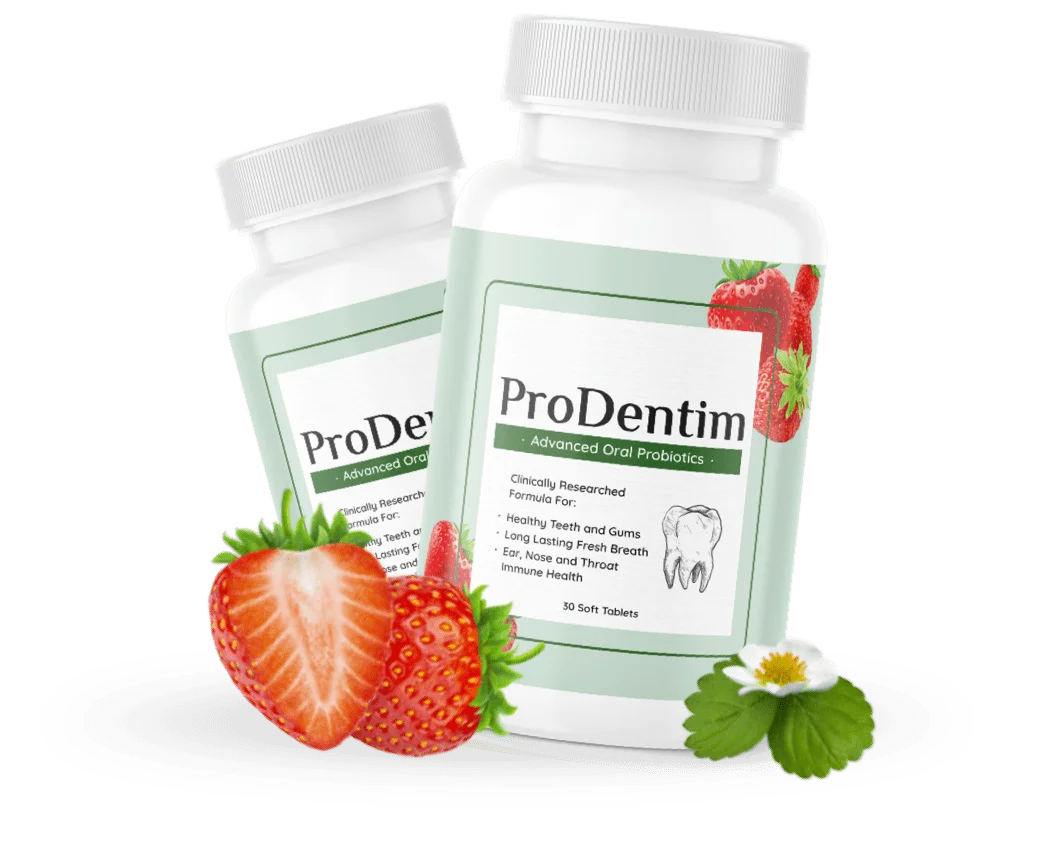
ProDentim
Oral Probiotic for Gum & Teeth Health
ProDentim's L. reuteri strain has clinical evidence for reducing gum bleeding and inflammation. Use alongside improved brushing and flossing, not as a replacement.
We may earn a commission if you make a purchase through our links, at no extra cost to you.
When to Worry: Red Flags
See a dentist urgently if you experience:
- Spontaneous bleeding — Gums bleed without brushing or eating
- Heavy bleeding that doesn't stop within 10 minutes of applying pressure
- Gum bleeding plus loose teeth — Suggests advanced periodontitis
- Painful, swollen gums with pus — May indicate a periodontal abscess
- Bleeding gums plus systemic symptoms (unexplained bruising, fatigue, fever) — Warrants a medical evaluation
Bleeding Gums During Pregnancy
Pregnancy gingivitis deserves special mention because it's so common:
- Hormonal changes (elevated progesterone) increase blood flow to gum tissue and amplify the inflammatory response to plaque
- It typically begins in the second trimester and may worsen through the third
- It resolves after delivery in most cases
What to do:
- Maintain excellent oral hygiene — brushing 2x daily, flossing daily
- Get a professional cleaning in the second trimester
- Don't delay dental care — untreated periodontal disease during pregnancy is associated with adverse birth outcomes including preterm birth (Obstetrics & Gynecology, 2006)
How Long Until Bleeding Stops?
With consistent improved hygiene:
- Mild gingivitis: 1-2 weeks
- Moderate gingivitis: 2-4 weeks
- After professional cleaning: Improvement within days, full resolution in 2-3 weeks
- Periodontitis: May take longer and requires professional treatment
If your bleeding hasn't improved after 3-4 weeks of diligent brushing, flossing, and saltwater rinses, don't wait — see your dentist. Early intervention prevents gingivitis from progressing to the irreversible stage of periodontitis.