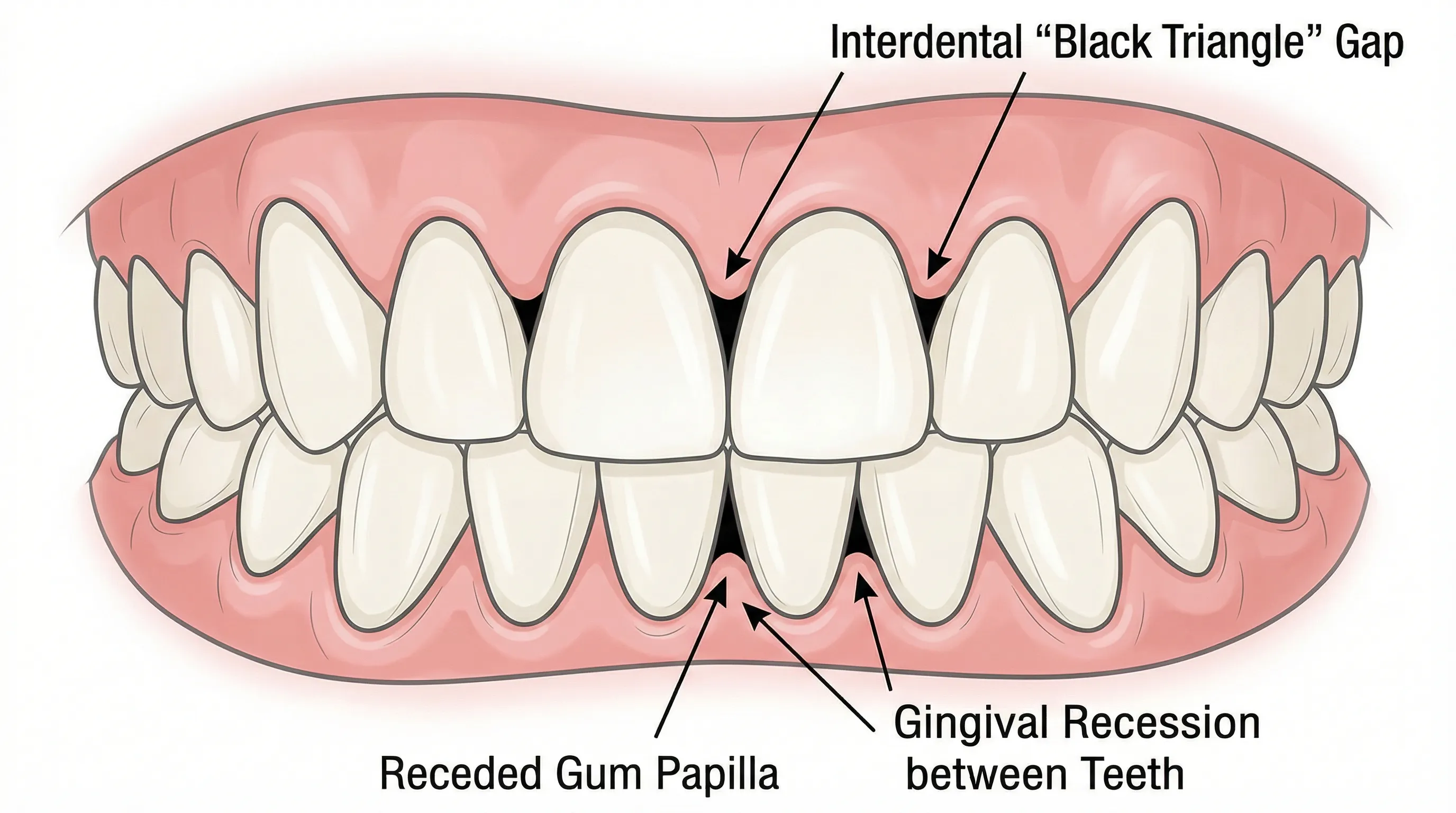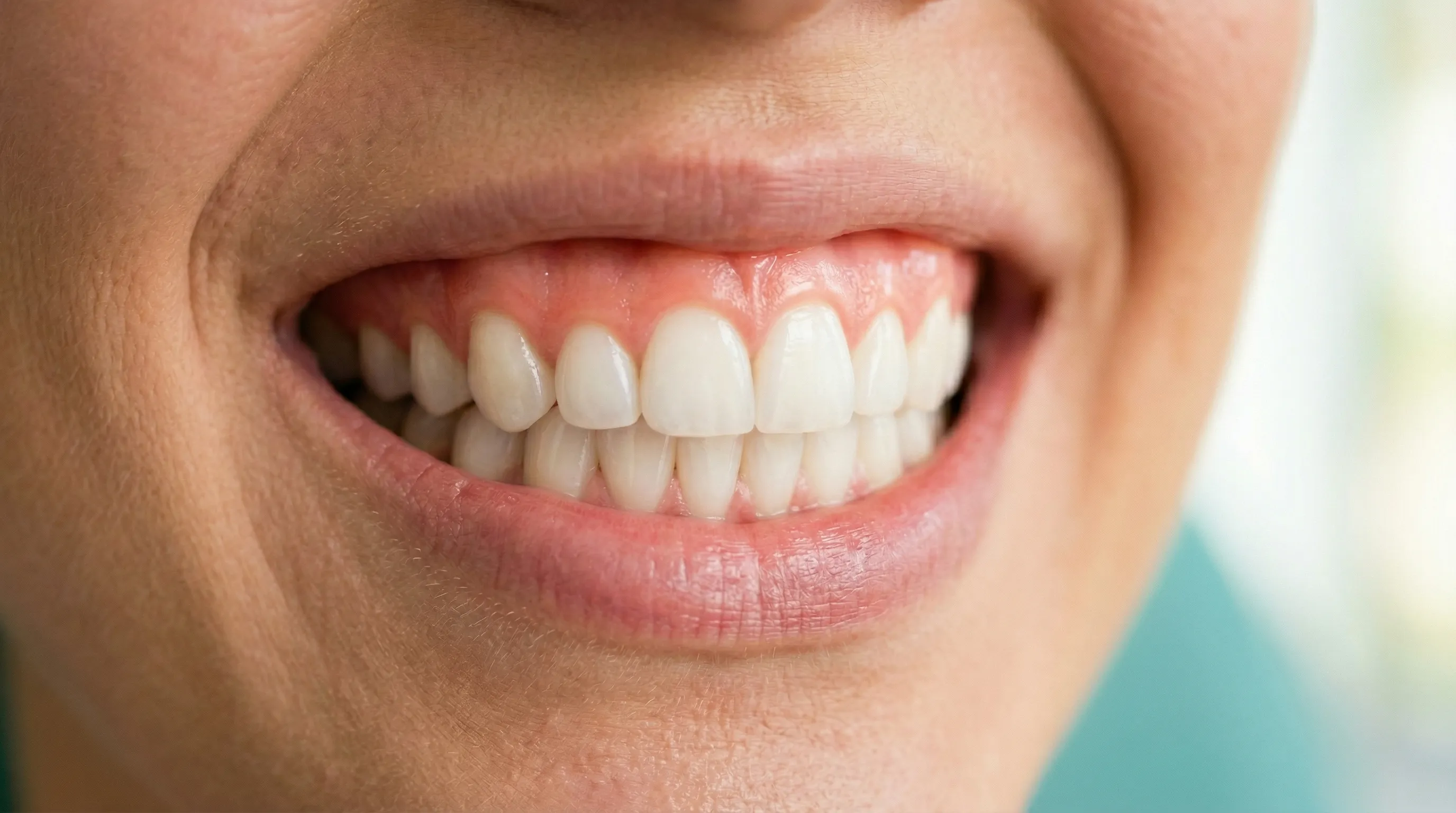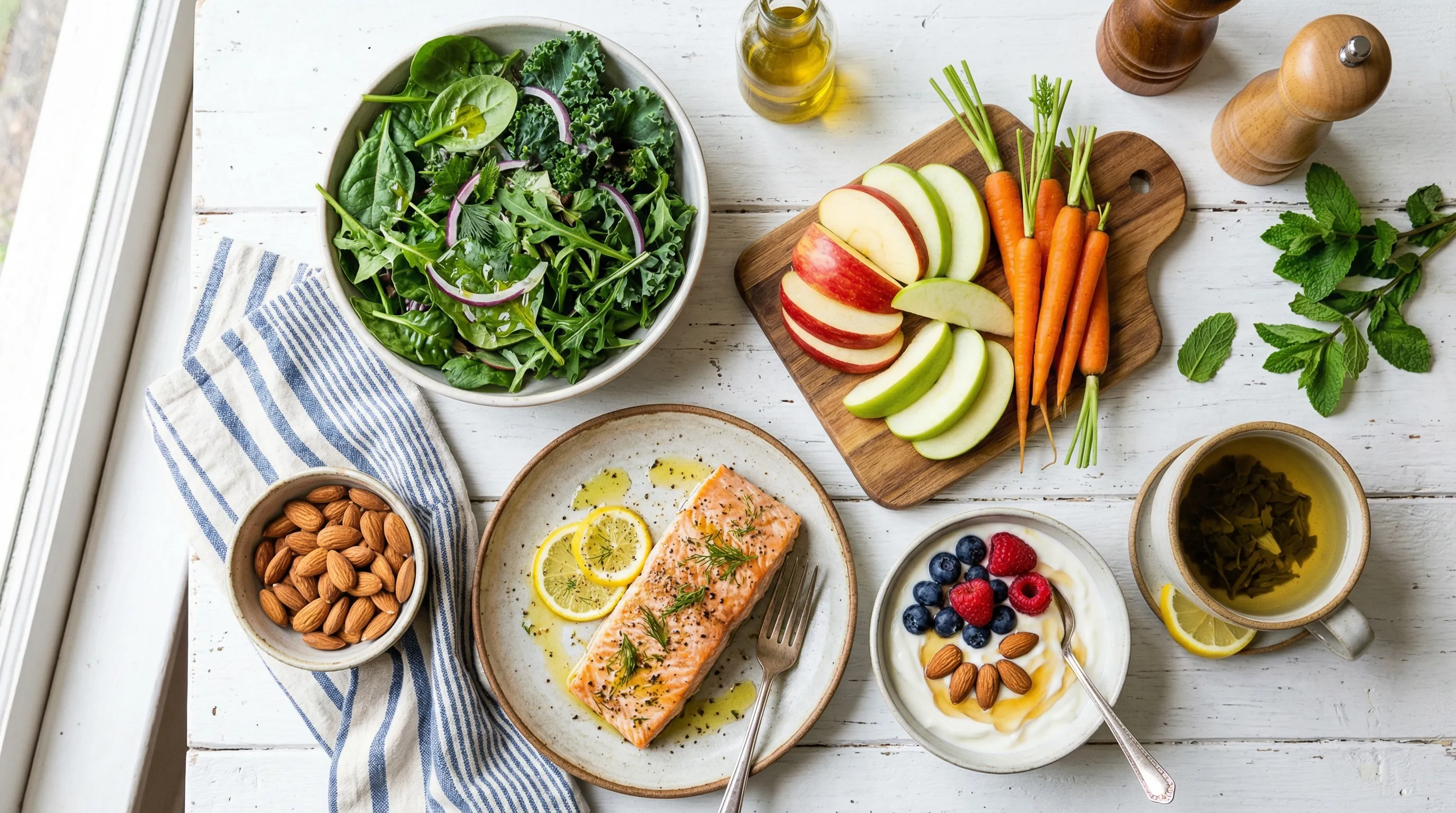
Your diet directly impacts the health of your gums. Research shows that foods rich in vitamin C, omega-3 fatty acids, probiotics, and antioxidants may support gum tissue integrity and reduce inflammation. Meanwhile, sugar, refined carbohydrates, acidic drinks, and alcohol create conditions that promote gum disease. A gum-healthy diet isn't a special regimen — it's the same anti-inflammatory eating pattern that benefits your whole body.
Most people think about brushing and flossing when it comes to gum health. But what you eat matters too — arguably more than most people realize. Your gum tissue is living tissue that needs specific nutrients to maintain its structure, fight infection, and repair itself. Feed it well, and it's more resilient. Feed it poorly, and even good oral hygiene may not fully compensate.
Here's what the research says about the best and worst foods for your gums.
The 12 Best Foods for Gum Health
1. Bell Peppers
Bell peppers — especially red ones — contain more vitamin C per serving than oranges. A single red bell pepper provides over 150mg of vitamin C, more than twice the daily recommended intake.
Why it matters: Vitamin C is essential for collagen synthesis, and collagen is the primary structural protein in gum tissue. A study in the American Journal of Clinical Nutrition (2000) found a clear dose-response relationship between vitamin C intake and periodontal disease risk — the less vitamin C people consumed, the more likely they were to have bleeding gums and attachment loss.
2. Fatty Fish (Salmon, Sardines, Mackerel)
Fatty fish are the richest dietary source of omega-3 fatty acids (EPA and DHA), which are potent anti-inflammatory compounds. A systematic review published in the Journal of the American Dietetic Association (2010) found that higher omega-3 intake was associated with reduced markers of periodontal inflammation.
A more recent intervention study in the Journal of Clinical Periodontology (2014) found that omega-3 supplementation as an adjunct to scaling and root planing improved clinical outcomes — including greater pocket depth reduction — compared to scaling and root planing alone.
Aim for 2-3 servings of fatty fish per week for meaningful anti-inflammatory benefits.
3. Leafy Greens (Spinach, Kale, Swiss Chard)
Leafy greens deliver a combination of nutrients that support gum health: vitamin K (essential for blood clotting and wound healing in gum tissue), folate, calcium, and fiber.
Folate deserves special mention. A study in the Journal of Dental Research (2007) found that individuals with low folate levels had significantly higher rates of gingival bleeding. Folate supports cell division and tissue repair in the rapidly turning over epithelial cells of the gums.
Raw leafy greens have an additional mechanical benefit — the fibrous texture stimulates saliva production and gently massages gum tissue during chewing.
4. Yogurt and Kefir
Fermented dairy products introduce beneficial bacteria — particularly Lactobacillus species — into the oral cavity. A study published in the Journal of Periodontology (2008) found that regular yogurt consumption was associated with lower levels of gingival bleeding and periodontal pocket depth in a population of over 900 Japanese adults.
The proposed mechanism is that beneficial bacteria from fermented foods compete with periodontal pathogens for colonization sites, helping to maintain a balanced oral microbiome. Choose plain, unsweetened yogurt — the added sugar in flavored varieties would undermine the benefit.
5. Green Tea
Green tea's benefits for gum health are backed by substantial research. A large epidemiological study in the Journal of Periodontology (2009) found that men who drank green tea regularly had significantly lower pocket depths and less clinical attachment loss than non-drinkers.
The active compounds are catechins — particularly EGCG — which have been shown to inhibit the growth of P. gingivalis and reduce inflammatory cytokine production in gum tissue (Archives of Oral Biology, 2016). Drink it unsweetened for maximum benefit.
6. Nuts and Seeds (Almonds, Walnuts, Sesame Seeds)
Nuts provide a concentrated source of minerals and healthy fats that support gum tissue. Walnuts are particularly noteworthy because they're one of the few plant-based sources of alpha-linolenic acid (ALA), an omega-3 fatty acid.
Almonds are rich in calcium and low in sugar. Sesame seeds provide calcium and have been shown in traditional medicine contexts to support oral health (sesame oil is the traditional base for oil pulling).
The chewing required for nuts also stimulates saliva production — your mouth's natural defense system. Saliva contains antimicrobial enzymes, buffers that neutralize acid, and minerals that support enamel.
7. Citrus Fruits (Oranges, Grapefruit, Kiwi)
Citrus fruits provide abundant vitamin C, though with a caveat — their acidity can irritate already-inflamed gums. Kiwi fruit is an excellent choice because it delivers extremely high vitamin C with lower acidity than most citrus. One kiwi provides about 70mg of vitamin C.
A study in the British Dental Journal (2007) found that patients with periodontitis who increased their vitamin C intake through whole fruits (not supplements alone) showed improvements in gum bleeding scores. Whole fruit provides fiber and polyphenols that supplements lack.
Eat citrus fruits as part of a meal rather than on their own to buffer the acidity.
8. Onions and Garlic
Onions and garlic contain sulfur compounds — allicin in garlic, thiosulfinates in onions — that have demonstrated antimicrobial effects against oral pathogens. A study in Archives of Oral Biology (2015) found that garlic extract inhibited biofilm formation by P. gingivalis and Fusobacterium nucleatum in laboratory settings.
Raw onion may have stronger antimicrobial effects than cooked, though the research is mostly in vitro (lab-based). The practical benefit is that regularly including these foods in your diet may contribute to a less pathogen-friendly oral environment.
9. Shiitake Mushrooms
Shiitake mushrooms contain lentinan, a polysaccharide that has been studied for its effects on oral bacteria. Research published in Biofouling (2015) found that shiitake mushroom extract reduced the ability of oral bacteria to form biofilms without harming beneficial commensal bacteria — a selective antimicrobial effect.
This selectivity is notable: most antimicrobial agents kill both good and bad bacteria indiscriminately. A compound that targets pathogenic biofilms while leaving beneficial bacteria intact could be genuinely valuable for oral health.
10. Dairy Products (Cheese, Milk)
Beyond fermented dairy, cheese and milk support gum health through their calcium and phosphorus content — minerals that maintain alveolar bone density (the bone that holds your teeth in place).
Cheese has an additional benefit: it stimulates saliva production and raises oral pH after meals, counteracting the acid produced by plaque bacteria. A study in General Dentistry (2013) found that eating cheese raised oral pH and was associated with lower caries risk, suggesting a protective buffering effect.
11. Carrots and Celery
Crunchy, fibrous vegetables serve as natural mechanical cleaners. Chewing raw carrots or celery stimulates saliva flow, gently removes surface plaque through abrasion, and provides vitamins A (carrots) and K (celery) that support mucosal tissue health.
While no single study attributes major periodontal benefit to eating carrots specifically, the combination of nutrient content, mechanical cleaning, and saliva stimulation makes these foods practical daily additions for oral health support.
12. Probiotic-Rich Foods (Sauerkraut, Kimchi, Miso)
Non-dairy fermented foods deliver diverse probiotic strains that may support the oral microbiome. While most probiotic research in periodontology has focused on supplemental Lactobacillus reuteri (with positive results documented in the Journal of Clinical Periodontology, 2020), there's growing interest in how dietary probiotics affect oral bacterial communities.
A study in Nutrients (2021) found that regular consumption of fermented foods was associated with greater microbial diversity — and greater diversity is generally associated with healthier oral ecosystems.
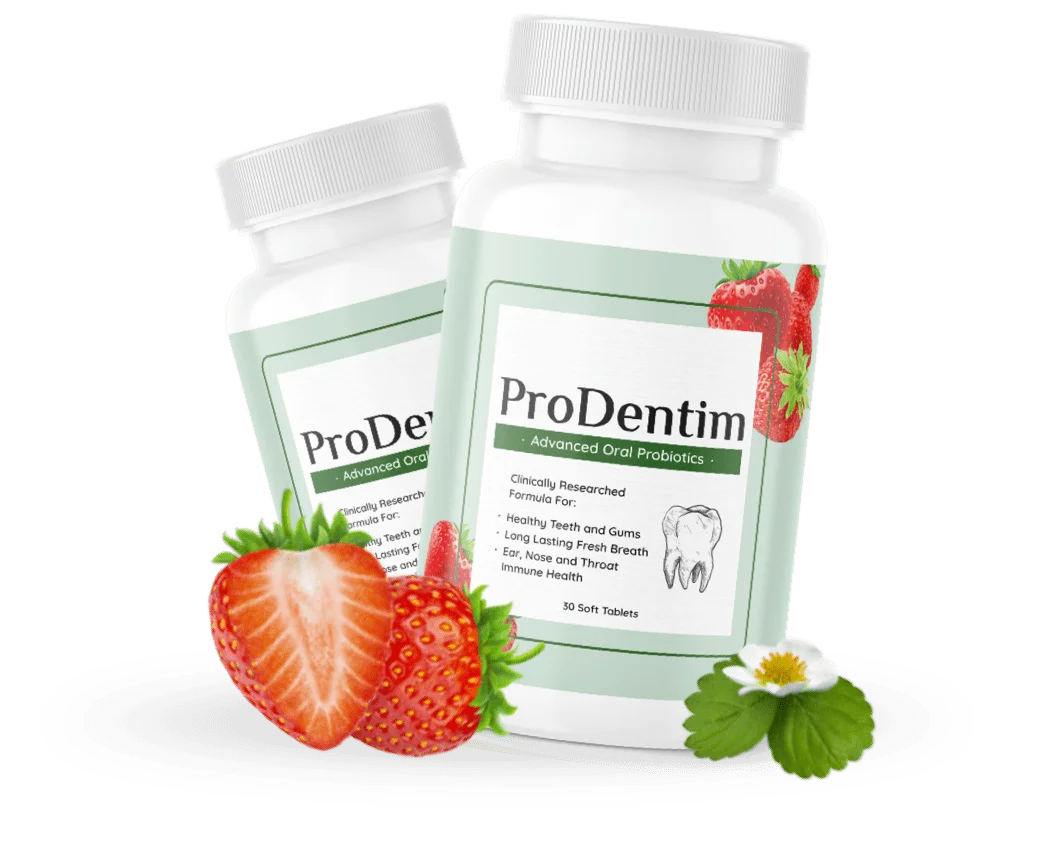
ProDentim
Oral Probiotic for Gum & Teeth Health
While probiotic foods introduce beneficial bacteria, a targeted oral probiotic supplement like ProDentim delivers specific strains — including L. reuteri at 3.5 billion CFU — that have been clinically studied for their effects on gum inflammation and oral microbial balance.
We may earn a commission if you make a purchase through our links, at no extra cost to you.
The 5 Worst Foods for Gum Health
1. Sugar and Sugary Foods
This is the most well-established dietary risk factor for oral disease. Sugar feeds the bacteria that produce acid and inflammatory compounds at the gumline. A systematic review in BMC Public Health (2014) confirmed that high sugar intake is consistently associated with increased risk of both dental caries and periodontal disease.
The frequency of sugar exposure matters as much as the quantity. Sipping a sugary drink over two hours is worse for your gums than eating the same amount of sugar in five minutes, because prolonged exposure keeps the oral environment acidic and bacteria-friendly.
2. Refined Carbohydrates (White Bread, Pasta, Crackers)
Refined carbohydrates break down into sugars rapidly in the mouth — salivary amylase begins converting starch to sugar before you even swallow. A study in the American Journal of Clinical Nutrition (2014) found that high glycemic index diets were associated with increased gingival inflammation, independent of sugar intake.
Soft white bread is particularly problematic because it becomes sticky and packs into the spaces between teeth, where it continues to feed bacteria long after the meal ends.
3. Acidic Drinks (Soda, Sports Drinks, Citrus Juice)
Acidic beverages erode enamel and irritate inflamed gum tissue. The pH of most sodas falls between 2.4 and 3.5 — highly acidic. A study in the Journal of Public Health Dentistry (2016) found that frequent consumption of acidic beverages was associated with both enamel erosion and increased gingival inflammation.
Diet sodas are not significantly better — they lack sugar but retain the same acidity. If you drink acidic beverages, use a straw to minimize contact with teeth and gums, and rinse with water afterward.
4. Alcohol
Alcohol dries the mouth by reducing saliva production. Saliva is your primary natural defense against oral bacteria — it washes away food particles, neutralizes acid, and contains antimicrobial enzymes (lysozyme, lactoferrin). When saliva flow decreases, bacteria thrive.
A study in the Journal of Periodontology (2004) found that heavy alcohol consumption was independently associated with increased periodontitis severity and gum recession, even after controlling for smoking and other factors.
Moderate alcohol consumption may not pose significant risk, but chronic heavy drinking is clearly detrimental to gum health.
5. Sticky Candy and Dried Fruit
Sticky foods — caramels, gummy candies, taffy, and even dried fruits like raisins — adhere to tooth surfaces and remain in contact with gum tissue for extended periods. This prolonged sugar exposure gives oral bacteria more time to produce the acid and inflammatory byproducts that drive gum disease.
Dried fruit is often considered healthy, but its concentrated sugar content and sticky texture make it a hidden risk for gum health. If you eat dried fruit, follow it with water and brush within 30 minutes if possible.
How Diet and Inflammation Connect
To understand why food choices matter so much for gums, it helps to understand the inflammatory cycle of gum disease.
Gum disease isn't caused by bacteria alone — it's caused by the immune system's inflammatory response to bacteria. When plaque bacteria accumulate, the body sends inflammatory cells to fight them. That inflammatory response — not the bacteria themselves — is what destroys gum tissue and bone.
An anti-inflammatory diet reduces the body's baseline inflammatory state, which may make the gum tissue less likely to mount an exaggerated destructive response to plaque bacteria. This was demonstrated in a remarkable randomized controlled trial published in the Journal of Clinical Periodontology (2018): participants who switched to an anti-inflammatory diet (rich in omega-3s, vitamin C, vitamin D, and fiber, and low in processed food) reduced gingival bleeding by 40% in just 4 weeks — without changing their oral hygiene habits at all.
That finding doesn't mean you can eat your way out of gum disease. But it strongly suggests that diet is a meaningful lever that most people aren't pulling.
A Sample "Gum-Healthy" Day of Eating
Here's what a day of eating looks like when you're intentionally supporting your gums:
Breakfast:
- Plain Greek yogurt with fresh strawberries, a few walnuts, and a drizzle of honey
- Green tea (unsweetened)
Why it works: Probiotics from yogurt, vitamin C from strawberries, omega-3s from walnuts, catechins from green tea.
Mid-Morning Snack:
- Apple slices with a small handful of almonds
Why it works: Crunchy apple stimulates saliva and mechanically cleans teeth. Almonds provide calcium and healthy fats.
Lunch:
- Grilled salmon over a bed of spinach and kale, with red bell pepper slices, avocado, and olive oil dressing
- Water with lemon
Why it works: Omega-3s from salmon, folate and vitamin K from greens, vitamin C from bell pepper, anti-inflammatory fats from avocado and olive oil.
Afternoon Snack:
- Carrot and celery sticks with hummus
Why it works: Fibrous crunch stimulates saliva, vitamin A from carrots, mechanical plaque removal.
Dinner:
- Stir-fried chicken with shiitake mushrooms, garlic, onions, broccoli, and brown rice
- Side of kimchi or sauerkraut
Why it works: Selective antimicrobials from shiitake, allicin from garlic, vitamin C from broccoli, complex carbs from brown rice, probiotics from fermented side dish.
After dinner:
- Piece of cheese (raises oral pH after meal)
- Brush and floss 30 minutes after eating
This isn't a restrictive diet. It's simply whole foods, well-chosen, with an awareness of what your gum tissue needs.
ProDentim
Oral Probiotic for Gum & Teeth Health
Even the best diet can benefit from targeted probiotic support. ProDentim provides specific oral probiotic strains that research suggests may help maintain the healthy bacterial balance your gum-friendly diet is designed to create.
We may earn a commission if you make a purchase through our links, at no extra cost to you.
The Bottom Line
You don't need to overhaul your entire diet overnight. Start with the highest-impact changes: reduce sugar and refined carbohydrate intake, add a daily source of omega-3s, increase your vitamin C from whole foods, and include fermented or probiotic foods regularly. Consult your dentist about whether your diet may be contributing to gum inflammation — they can often identify dietary patterns from the state of your gums alone.
These dietary changes won't replace brushing, flossing, or professional care. But they create an internal environment that makes everything else work better. Your gums are living tissue, and like every other tissue in your body, they perform best when they're well nourished.