
Your teeth and gums depend on specific vitamins and minerals to stay strong, resist infection, and repair daily wear. The most critical nutrients include Vitamin C (collagen and gum tissue), Vitamin D3 (calcium absorption), Calcium (enamel structure), Phosphorus (remineralization), and Vitamin K2 (directing calcium where it belongs). Deficiencies in even one of these may increase your risk of gum disease, enamel erosion, and tooth loss.
You brush twice a day, floss regularly, and still end up with gum inflammation or a new cavity. What gives? The answer may be nutritional. Your oral tissues are among the fastest-turning-over cells in the body, which makes them especially sensitive to nutritional deficiencies.
A landmark study in the Journal of Dental Research (2016) found that nutritional deficiencies are independently associated with increased periodontal disease severity — even after controlling for oral hygiene habits. In other words, brushing alone isn't enough if your body lacks the raw materials to maintain healthy teeth and gums.
Here are the nine essential vitamins and minerals the research supports, along with realistic dosage recommendations.
1. Vitamin C — The Gum Protector
Vitamin C (ascorbic acid) is arguably the single most important nutrient for gum health. It's essential for collagen synthesis, and collagen is the structural protein that holds your gum tissue together and anchors teeth in their sockets.
What the research shows:
- A study in the American Journal of Clinical Nutrition (2000) found a clear dose-response relationship between vitamin C intake and gum bleeding — lower intake meant more bleeding, in a linear pattern.
- Severe deficiency causes scurvy, whose hallmark symptoms are gum swelling, bleeding, and tooth loosening.
- A review in Nutrients (2019) found that even sub-clinical vitamin C deficiency (not low enough for scurvy, but below optimal) was associated with increased gingivitis risk.
Vitamin C also functions as an antioxidant, protecting gum tissue from the oxidative damage caused by bacterial inflammation.
Recommended dosage: The RDA is 75mg for women and 90mg for men, but for active gum support, research suggests 500-1,000mg daily is more effective. Smokers need an additional 35mg daily, as smoking depletes vitamin C rapidly.
Best food sources: Bell peppers (one medium red pepper provides 169mg), kiwi, strawberries, citrus fruits, broccoli, and Brussels sprouts.
2. Vitamin D3 — The Calcium Gatekeeper
Vitamin D3 does far more than support bones. In the mouth, it serves a dual role: it enables calcium absorption in the gut (without it, you absorb only 10-15% of dietary calcium) and it modulates immune responses against oral pathogens.
What the research shows:
- A meta-analysis in the Journal of Periodontal Research (2020) found that vitamin D deficiency is significantly associated with increased periodontitis risk.
- A study in the British Dental Journal (2011) found that patients with higher vitamin D levels had lower rates of gum bleeding and pocket formation.
- Vitamin D3 stimulates the production of cathelicidin and defensins, antimicrobial peptides that help control bacterial populations in the mouth.
Recommended dosage: 2,000-4,000 IU daily. Many adults are deficient — the Journal of Clinical Endocrinology & Metabolism (2011) estimated that 41.6% of US adults have vitamin D insufficiency. A blood test (25-hydroxyvitamin D) is the best way to determine your level.
Best food sources: Fatty fish (salmon, sardines), egg yolks, fortified milk. However, food sources are rarely sufficient — supplementation is often necessary, especially in northern latitudes.
3. Calcium — The Enamel Builder
Calcium is the primary mineral in tooth enamel (as hydroxyapatite) and the jawbone (alveolar bone) that supports your teeth. Your body contains about 1kg of calcium, and 99% of it is in bones and teeth.
What the research shows:
- A longitudinal study in the American Journal of Medicine (2001) found that calcium supplementation reduced tooth loss over a 5-year follow-up period.
- Chronic low calcium intake forces the body to leach calcium from bones and teeth to maintain blood calcium levels — a process called resorption that directly weakens tooth structure and jawbone density.
- Adequate calcium is especially critical during childhood and adolescence when permanent teeth are still mineralizing.
Recommended dosage: 1,000mg daily for adults 19-50; 1,200mg for women over 50 and men over 70. Ideally from a combination of diet and supplementation.
Best food sources: Dairy (milk, cheese, yogurt), sardines with bones, fortified plant milks, kale, bok choy, almonds.
Important note: Calcium works best when paired with vitamin D3 (for absorption) and vitamin K2 (for proper deposition). Taking calcium alone without these cofactors may reduce its effectiveness.
4. Phosphorus — The Remineralization Partner
Phosphorus works alongside calcium in a critical partnership. Tooth enamel is composed of calcium phosphate in the form of hydroxyapatite, meaning both minerals are structurally necessary. Phosphorus also plays a key role in remineralization — the natural repair process that reverses early enamel damage.
What the research shows:
- A study in Caries Research (2012) found that saliva supersaturated with both calcium and phosphate ions promotes faster enamel remineralization than either mineral alone.
- Phosphorus deficiency is associated with impaired tooth development in children and weakened enamel in adults.
Recommended dosage: 700mg daily for adults. Most people get adequate phosphorus through diet, as it's widely present in protein-rich foods.
Best food sources: Meat, poultry, fish, eggs, dairy, nuts, seeds, legumes, whole grains.
5. Vitamin K2 — The Calcium Director
Vitamin K2 is perhaps the most underappreciated nutrient for dental health. While vitamin K1 (found in leafy greens) is primarily involved in blood clotting, vitamin K2 activates proteins that direct calcium into bones and teeth — and away from soft tissues like arteries.
The two key proteins K2 activates are:
- Osteocalcin — Directs calcium into bones and tooth dentin
- Matrix GLA protein — Prevents calcium from depositing in arteries and soft tissues
What the research shows:
- Weston A. Price's foundational dental research in the 1930s identified a fat-soluble nutrient (later identified as K2) as critical for dental health across traditional populations.
- A study in the European Journal of Clinical Nutrition (2004) found that higher K2 intake was associated with reduced calcification in arteries, supporting the "calcium-directing" mechanism.
- Research published in Medical Hypotheses (2015) proposed that K2 deficiency may contribute to dental caries by impairing osteocalcin function in tooth remineralization.
Recommended dosage: 100-200 mcg daily of MK-7 (the most bioavailable form). There is no established RDA for K2 specifically, but this range is commonly used in clinical research.
Best food sources: Natto (Japanese fermented soybeans — the richest source by far), hard cheeses (Gouda, Brie), egg yolks, grass-fed butter, fermented foods.

Denticore
Gum & Tooth Support Supplement
DentiCore provides calcium, phosphorus, and other enamel-supporting nutrients in a single daily supplement. May complement dietary intake for those concerned about mineral gaps.
We may earn a commission if you make a purchase through our links, at no extra cost to you.
6. Coenzyme Q10 (CoQ10) — The Periodontal Supporter
CoQ10 is an antioxidant naturally produced in the body that plays a role in cellular energy production. In periodontal tissue, CoQ10 levels tend to be depleted in patients with gum disease.
What the research shows:
- A meta-analysis in the Journal of Indian Society of Periodontology (2021) found that CoQ10 supplementation significantly reduced gingival inflammation and pocket depth in periodontitis patients.
- A study in Molecular Aspects of Medicine (1994) found that CoQ10-deficient gum tissue showed impaired cellular repair mechanisms, and supplementation restored normal function.
- CoQ10 appears to support the bioenergetic capacity of gingival cells, helping them resist bacterial damage and heal faster.
Recommended dosage: 100-200mg daily. CoQ10 is fat-soluble, so take it with a meal containing fat for better absorption. Ubiquinol is the active, more bioavailable form compared to ubiquinone.
Best food sources: Organ meats (heart, liver), fatty fish, beef, pork, chicken, soybeans, peanuts. Dietary amounts are typically far below therapeutic doses.
7. Omega-3 Fatty Acids — The Anti-Inflammatory
Omega-3 fatty acids (EPA and DHA) are powerful anti-inflammatory agents. Since periodontitis is fundamentally an inflammatory disease, omega-3s may help modulate the destructive inflammatory cascade that damages gum tissue and bone.
What the research shows:
- A systematic review published in the Journal of the American Dietetic Association (2010) found that omega-3 supplementation reduced periodontal inflammation markers.
- A clinical trial in the Journal of Periodontology (2014) found that omega-3 supplementation combined with low-dose aspirin significantly improved periodontal outcomes in patients with chronic periodontitis.
- Omega-3s work by shifting the production of pro-inflammatory prostaglandins and cytokines toward their anti-inflammatory counterparts (resolvins and protectins).
Recommended dosage: 1,000-2,000mg combined EPA/DHA daily. Choose fish oil, krill oil, or algae-based omega-3 (for plant-based diets).
Best food sources: Fatty fish (salmon, sardines, mackerel, herring), walnuts, flaxseeds, chia seeds.
8. Zinc — The Antibacterial Shield
Zinc has direct antibacterial activity in the oral cavity. It inhibits the growth of oral pathogens, helps control plaque formation, and supports immune function in gum tissue.
What the research shows:
- A study in Archives of Oral Biology (2015) found that zinc ions inhibit the growth of Streptococcus mutans (the primary cavity-causing bacterium) and Porphyromonas gingivalis (a key periodontitis pathogen).
- Zinc is a common active ingredient in anti-plaque toothpastes and mouthwashes precisely because of this antimicrobial effect.
- Research in the International Journal of Dentistry (2011) found that zinc-containing rinses reduced volatile sulfur compounds (VSCs), the molecules responsible for bad breath.
Recommended dosage: 8-11mg daily (RDA). For active gum issues, some practitioners recommend 15-30mg daily short-term, but long-term doses above 40mg can interfere with copper absorption. Consult your dentist or doctor before exceeding the RDA.
Best food sources: Oysters (the richest source), beef, crab, pumpkin seeds, chickpeas, cashews, yogurt.
9. Vitamin A — The Enamel and Mucosa Maintainer
Vitamin A supports the maintenance of oral mucosa (the soft tissue lining of the mouth) and contributes to enamel formation during tooth development. It's also important for saliva production, which is your mouth's first line of defense against bacteria.
What the research shows:
- A review in Nutrition Reviews (2012) found that vitamin A deficiency is associated with impaired enamel development, reduced salivary gland function, and increased susceptibility to oral infections.
- Vitamin A supports epithelial cell turnover — the gum tissue and oral mucosa are epithelial tissues that turn over every 7-14 days and require adequate vitamin A for normal renewal.
Recommended dosage: 700-900 mcg RAE (Retinol Activity Equivalents) daily. Be cautious with supplementation — vitamin A is fat-soluble and can accumulate to toxic levels. Pregnant women should not exceed 3,000 mcg RAE due to teratogenic risk.
Best food sources: Sweet potato, carrots, spinach, cantaloupe, liver, eggs. Beta-carotene from plant foods is converted to vitamin A as needed, making toxicity from food sources very unlikely.
Putting It All Together: A Practical Supplement Strategy
Rather than taking nine separate supplements, consider a strategic approach:
- Start with diet — Prioritize nutrient-dense whole foods: leafy greens, fatty fish, dairy or fortified alternatives, nuts, seeds, and colorful fruits and vegetables.
- Fill gaps with targeted supplements — Vitamin D3 and K2 are the most commonly deficient. Omega-3 is hard to get in therapeutic doses from food alone.
- Consider a dental-specific supplement that combines multiple ingredients, rather than buying everything separately.
If you have active gum disease or are recovering from dental procedures, consult your dentist about whether higher-dose supplementation may be appropriate for your situation. Nutritional support works best as part of a comprehensive approach that includes proper oral hygiene, regular dental visits, and addressing any underlying health conditions.
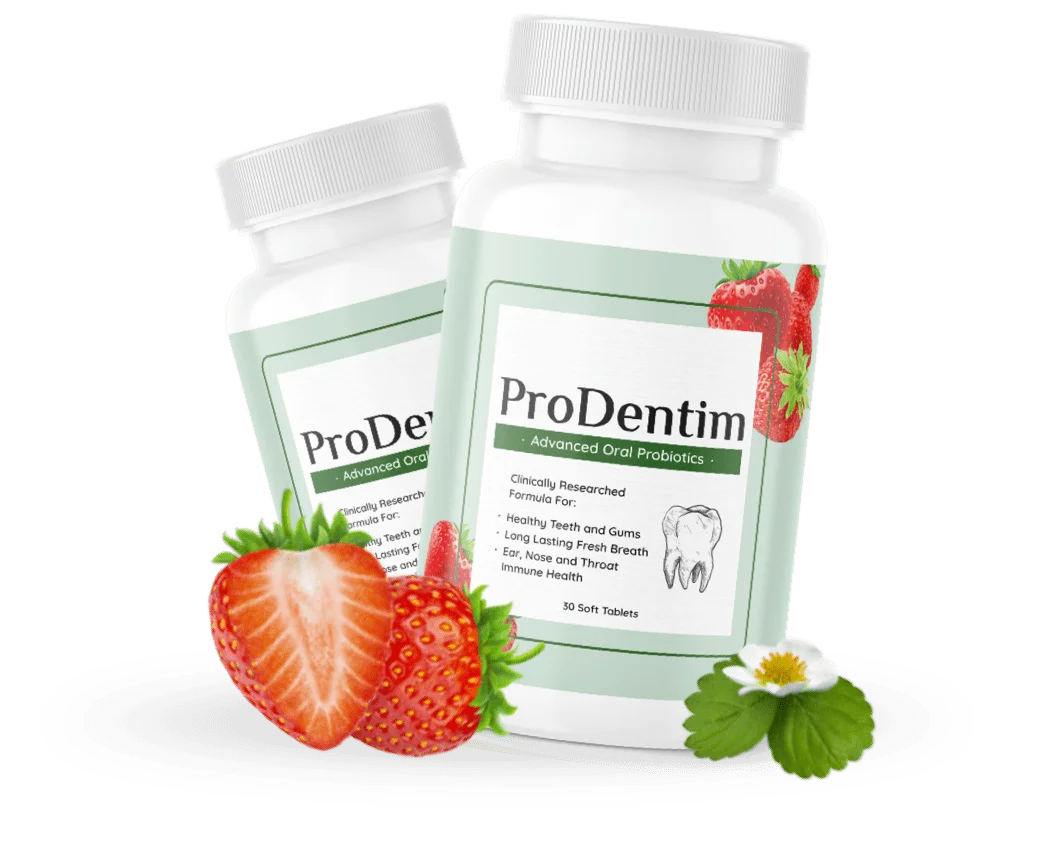
ProDentim
Oral Probiotic for Gum & Teeth Health
ProDentim combines oral probiotics with supporting nutrients. For those focused on the microbial side of oral health, it may complement the mineral-focused approach discussed above.
We may earn a commission if you make a purchase through our links, at no extra cost to you.
Nutrients to Approach with Caution
Not all supplements marketed for dental health have strong evidence:
- Collagen supplements — While collagen is important for gum tissue, oral collagen supplements are broken down during digestion. The evidence that they reach gum tissue is limited.
- Biotin — No strong evidence for direct dental benefits, despite some marketing claims.
- Iron — Important for overall health but excessive iron can promote harmful oral bacteria. Only supplement if you have a confirmed deficiency.