Chronic bad breath (halitosis) is almost always caused by volatile sulfur compounds (VSCs) produced by anaerobic bacteria in the mouth — not by your stomach, and not by what you ate for lunch. The most effective permanent solutions target the source: tongue biofilm, gum disease, dry mouth, or other underlying conditions. Mints, gum, and mouthwash only mask the odor temporarily. To eliminate bad breath permanently, you need to identify and address the root cause.
Bad breath affects an estimated 25-30% of the world's population, according to a study in the Journal of Natural Science, Biology and Medicine (2011). For most sufferers, it's not just a minor annoyance — it creates social anxiety, damages confidence, and strains relationships. The frustrating part: most people with chronic halitosis are doing everything they've been told to do (brushing, flossing, using mouthwash) and still can't shake it.
That's because they're treating the symptom, not the cause.
What Actually Causes Bad Breath?
The Real Culprit: Volatile Sulfur Compounds (VSCs)
The smell of bad breath comes from specific gases — primarily hydrogen sulfide, methyl mercaptan, and dimethyl sulfide. These are volatile sulfur compounds produced by anaerobic bacteria as they break down proteins (from food debris, dead cells, blood, and mucus) in oxygen-poor environments in the mouth.
A study in the Journal of Clinical Periodontology (2003) identified that approximately 85-90% of halitosis originates in the oral cavity itself, not from the stomach or lungs as commonly believed.
The key anaerobic bacteria involved include Porphyromonas gingivalis, Treponema denticola, Fusobacterium nucleatum, and Prevotella intermedia — many of which are also implicated in periodontal disease. This is why gum disease and bad breath so frequently co-occur.
The 6 Root Causes of Chronic Bad Breath
1. Tongue Coating (The #1 Cause)
The tongue — especially the posterior dorsum (the back third) — is the single largest reservoir of odor-producing bacteria in the mouth. The papillae on the tongue surface create a rough, irregular terrain that traps dead cells, food particles, and bacteria in a thick biofilm.
Research published in the Journal of Clinical Periodontology (2004) found that tongue coating is the strongest predictor of halitosis — more predictive than periodontal status, dental caries, or any other single factor.
Most people brush their teeth diligently but never clean their tongue. This is like mopping the floor while ignoring the overflowing trash can.
2. Gum Disease (Gingivitis and Periodontitis)
Periodontal disease creates deep pockets between teeth and gums that become oxygen-poor environments — ideal breeding grounds for the anaerobic bacteria that produce VSCs.
A meta-analysis in the Journal of Clinical Periodontology (2014) found a consistent, significant association between periodontal disease and halitosis. The deeper the pockets, the worse the breath. Bleeding gums, pus, and tissue breakdown all provide protein substrates that bacteria ferment into sulfur gases.
If you have gum disease, no amount of minting or rinsing will fix your breath until the periodontal condition is treated.
3. Dry Mouth (Xerostomia)
Saliva is the mouth's natural cleansing system. It washes away food particles, neutralizes bacterial acid, and contains antimicrobial proteins (lysozyme, lactoferrin, IgA) that control bacterial populations.
When saliva flow drops, bacterial populations explode. This is why "morning breath" is universal — saliva production decreases during sleep.
Chronic dry mouth has many causes:
- Medications — Over 500 medications list dry mouth as a side effect, including antidepressants, antihistamines, blood pressure drugs, and decongestants
- Mouth breathing — Breathing through the mouth (especially during sleep) evaporates saliva rapidly
- Dehydration — Insufficient water intake
- Aging — Salivary gland function naturally declines
- Medical conditions — Sjogren's syndrome, diabetes, Parkinson's disease
4. Tonsil Stones (Tonsilloliths)
Tonsil stones are calcified accumulations of bacteria, dead cells, food debris, and mucus that lodge in the crypts (crevices) of the tonsils. They are extremely common — one study in the British Dental Journal (2009) found tonsilloliths in 16% of CT scans.
Tonsil stones produce a characteristic foul odor because the trapped material is actively decomposed by anaerobic bacteria. People with deep tonsillar crypts are especially prone.
Signs you may have tonsil stones: visible white or yellowish lumps on the tonsils, a persistent metallic taste, the feeling of something stuck in the back of the throat, and bad breath that doesn't respond to oral hygiene improvements.
5. Gastroesophageal Reflux Disease (GERD)
While the stomach is rarely the direct cause of bad breath, GERD is an exception. Acid reflux brings stomach contents (including partially digested food, bile, and acid) into the esophagus and sometimes the throat and mouth.
A study in the Journal of General Internal Medicine (2008) found that GERD patients were significantly more likely to report halitosis than non-GERD controls. The refluxed material can directly produce odor, and chronic acid exposure can also damage oral tissues and alter the oral microbiome.
6. Other Medical Causes
Less commonly, halitosis can signal systemic conditions:
- Diabetes (fruity or acetone-like breath from ketoacidosis)
- Kidney disease (ammonia or urine-like breath from uremia)
- Liver disease (musty or sweet breath known as "fetor hepaticus")
- Sinus infections / post-nasal drip (bacterial decomposition of mucus)
- H. pylori infection (the ulcer-causing bacterium has been linked to halitosis)
If your bad breath persists despite addressing all oral causes, see your doctor for evaluation of systemic conditions.
Why Mints, Gum, and Mouthwash Don't Work Long-Term
Mints and gum mask the odor with strong flavors and stimulate brief saliva flow, but they don't address the underlying bacterial cause. The effect lasts 15-30 minutes at best.
Alcohol-based mouthwashes (including many popular brands) can actually make bad breath worse over time. Alcohol dries the mouth, reducing saliva's natural cleansing effect. A review in the Dental Clinics of North America (2008) noted that alcohol-containing mouthwash may contribute to oral dryness and worsen halitosis with chronic use.
Chlorhexidine mouthwash does reduce VSC-producing bacteria effectively, but it's not suitable for long-term use — it stains teeth, alters taste sensation, and disrupts the oral microbiome with prolonged use.
How to Actually Eliminate Bad Breath Permanently
Step 1: Clean Your Tongue (Daily)
This is the single most impactful change for most people with bad breath.
Tongue scraping removes the bacterial biofilm that produces VSCs. A randomized controlled trial in the Journal of Periodontology (2004) found that tongue scraping reduced VSC levels by 75% — far more effective than brushing the tongue with a toothbrush (which reduced VSCs by only 45%).
How to do it:
- Use a dedicated tongue scraper (stainless steel or copper), not your toothbrush
- Stick your tongue out as far as possible
- Place the scraper at the back of the tongue (as far back as you can tolerate without gagging)
- Pull forward with gentle pressure in one stroke
- Rinse the scraper and repeat 5-10 times until the tongue looks clean and pink
- Do this every morning before brushing
Step 2: Address Gum Disease
If you have bleeding gums, persistent bad taste, or your dentist has noted pocket depths above 3mm, periodontal disease may be driving your halitosis.
Professional treatment: Scaling and root planing (deep cleaning) removes the subgingival bacteria that home care can't reach. This alone can dramatically improve breath in patients with periodontitis.
Home care: Proper brushing technique (soft brush, 45-degree angle, 2 minutes twice daily) and daily flossing. An interdental brush or water flosser may reach areas that string floss misses.
Consult your dentist if you suspect gum disease — it requires professional evaluation and often professional treatment to manage effectively.
Step 3: Stay Hydrated and Manage Dry Mouth
Hydration: Drink water consistently throughout the day. Keep water on your nightstand. A dry mouth during sleep is one of the biggest contributors to persistent bad breath.
If medications cause dry mouth: Talk to your prescribing doctor about alternatives. If switching isn't possible, use:
- Sugar-free xylitol gum or lozenges (stimulates saliva)
- Oral moisturizing gels or sprays (Biotene, etc.)
- A bedroom humidifier (reduces overnight oral dryness)
If you mouth-breathe at night: Consider mouth tape (designed for sleep) or consult an ENT about nasal obstruction. Mouth breathing during sleep is a major — and often overlooked — contributor to halitosis.
Step 4: Oral Probiotics
Emerging research supports oral probiotics as a targeted approach to halitosis. The concept is straightforward: replace odor-producing bacteria with beneficial strains that don't generate VSCs.
What the research shows:
- A systematic review in BMC Oral Health (2022) found that probiotic interventions significantly reduced organoleptic (smell-based) halitosis scores and VSC levels.
- Strains with the most evidence for halitosis reduction include Lactobacillus reuteri, Lactobacillus salivarius, and Streptococcus salivarius K12.
- S. salivarius K12 specifically colonizes the tongue surface and produces bacteriocin-like inhibitory substances (BLIS) that suppress VSC-producing pathogens.
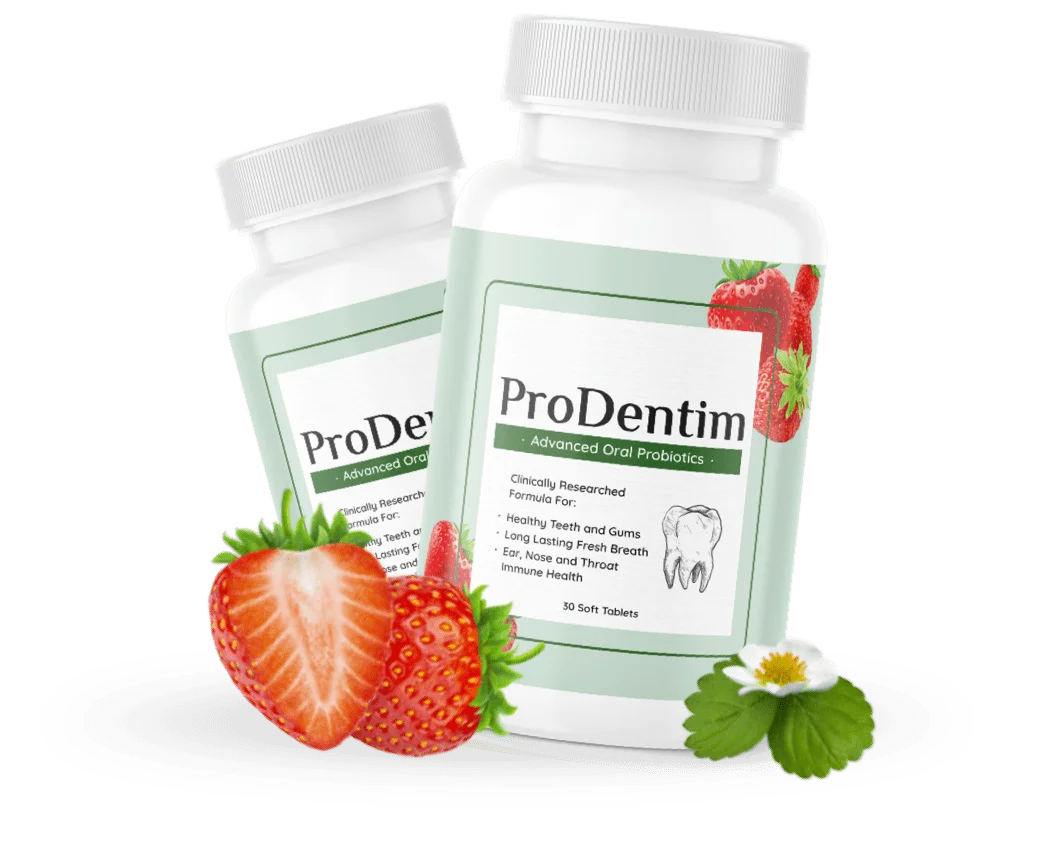
ProDentim
Oral Probiotic for Gum & Teeth Health
ProDentim includes L. reuteri and other probiotic strains studied for oral microbiome support. For halitosis driven by bacterial imbalance, oral probiotics may help shift the microbial population away from VSC-producing species.
We may earn a commission if you make a purchase through our links, at no extra cost to you.
Step 5: Address Tonsil Stones
If tonsil stones are contributing:
- Manual removal: Gently dislodge visible stones with a cotton swab or water flosser on low pressure (never use sharp objects)
- Gargling: Vigorous salt water gargling can dislodge smaller stones and reduce bacterial buildup in tonsillar crypts
- Persistent cases: An ENT specialist can evaluate whether tonsillectomy or laser cryptolysis (shrinking the crypts) is warranted for severe, recurrent tonsilloliths
Step 6: Treat GERD if Present
If you have symptoms of acid reflux (heartburn, regurgitation, sour taste) alongside bad breath:
- Elevate the head of your bed
- Avoid eating 2-3 hours before lying down
- Reduce trigger foods (spicy, fatty, acidic foods, caffeine, alcohol)
- See a gastroenterologist — proton pump inhibitors or other GERD treatments may resolve the halitosis
Step 7: Optimize Your Oral Care Routine
A comprehensive daily routine for permanent bad breath control:
Morning:
- Scrape tongue (before eating or drinking anything)
- Brush teeth with fluoride or nHA toothpaste (2 minutes)
- Floss or use an interdental brush
- If using an oral probiotic, take it after brushing (so it can colonize a clean mouth)
After meals:
- Drink water to rinse
- Chew xylitol gum for 5-10 minutes (stimulates saliva, inhibits bacteria)
Evening:
- Floss
- Brush teeth (2 minutes)
- Optional: alcohol-free mouthwash with CPC (cetylpyridinium chloride) or zinc
Ongoing:
- Stay hydrated (2+ liters of water daily)
- Replace your toothbrush every 3 months
- Schedule dental cleanings every 6 months (or more frequently if you have gum disease)
Testing Your Own Breath
Most people can't accurately assess their own breath due to olfactory adaptation (your nose becomes desensitized to your own smell). More reliable methods:
- Wrist test: Lick the inside of your wrist, wait 10 seconds, then smell. This approximates the front-of-tongue smell (but misses back-of-tongue odor, which is usually worse).
- Spoon test: Turn a spoon upside down, scrape the back of your tongue, wait 10 seconds, and smell the residue. This captures more of the VSC-producing bacteria.
- Ask someone you trust: A trusted friend or family member is the most reliable "instrument."
- Professional halimeter: Dentists can use a halimeter or OralChroma device to objectively measure VSC levels.
ProDentim
Oral Probiotic for Gum & Teeth Health
If bacterial imbalance is contributing to your halitosis, ProDentim's oral probiotic formulation may help rebalance the oral microbiome over time. Most effective when combined with tongue scraping, proper hygiene, and treatment of any underlying conditions.
We may earn a commission if you make a purchase through our links, at no extra cost to you.
The Timeline: How Long Until Bad Breath Improves?
Setting realistic expectations:
- Tongue scraping: Noticeable improvement within days
- Improved oral hygiene: 1-2 weeks for noticeable change
- Gum disease treatment: 2-4 weeks after scaling/root planing
- Oral probiotics: 2-4 weeks to begin colonizing and shifting the microbiome
- Dry mouth management: Gradual improvement over weeks as saliva function improves
- GERD treatment: Variable, depending on the severity and treatment approach
If you've addressed all the common causes and bad breath persists beyond 4-6 weeks, request a referral to an oral medicine specialist or discuss systemic causes with your primary care physician.