Tooth sensitivity to cold is usually caused by exposed dentin — the layer beneath your enamel that contains microscopic tubules connected to the tooth's nerve. When enamel wears away or gums recede, these tubules allow cold stimuli to reach the nerve directly. Most sensitivity is manageable with desensitizing toothpaste and dietary adjustments, but persistent or worsening sensitivity warrants a dental evaluation to rule out cracks, cavities, or advanced recession.
That sudden, sharp jolt when you sip ice water or bite into a popsicle is one of the most common dental complaints. Dentin hypersensitivity — the clinical term — affects an estimated 10-30% of the general population, according to a review in the Journal of the American Dental Association (2013). For some people it's a mild annoyance; for others, it can make eating and drinking genuinely painful.
Understanding why cold sensitivity happens is the first step toward making it stop.
The Anatomy of Tooth Sensitivity
Your teeth have three main layers:
- Enamel — The hard, white outer shell. It contains no nerves and no living cells, which is why healthy enamel produces no sensation at all.
- Dentin — The yellowish layer beneath enamel. Dentin is perforated by thousands of microscopic channels called dentinal tubules, each containing fluid and a nerve fiber extension.
- Pulp — The innermost chamber, containing the tooth's nerve and blood supply.
When dentin is exposed — through enamel loss, gum recession, or structural damage — cold temperatures cause the fluid inside dentinal tubules to move rapidly. This fluid movement triggers the nerve fibers, producing a sharp, stabbing pain. This is known as the hydrodynamic theory, first proposed by Brännström in 1964 and now widely accepted as the primary mechanism of dentin hypersensitivity (Archives of Oral Biology, 1966).
The key insight: sensitivity is almost always a symptom of exposed dentin, not a disease in itself. The real question is why dentin became exposed.
Common Causes of Cold-Sensitive Teeth
1. Enamel Erosion
Enamel is remarkably hard but not indestructible. Acidic foods and beverages — citrus fruits, soda, wine, sports drinks, vinegar-based dressings — dissolve enamel over time in a process called acid erosion. A study in the British Dental Journal (2005) found that consuming more than two acidic drinks daily significantly increased erosion risk.
Unlike cavities caused by bacteria, erosion is a chemical process that affects broad surfaces of enamel. You may notice sensitivity across multiple teeth rather than in a single spot.
Other enamel erosion causes include:
- Acid reflux (GERD) — Stomach acid reaching the mouth dissolves enamel, particularly on the back surfaces of upper teeth
- Bulimia — Repeated vomiting exposes teeth to strong stomach acid
- Dry mouth — Saliva normally neutralizes acids and provides minerals for enamel repair; without adequate saliva, erosion accelerates
2. Gum Recession
When gums pull back from the tooth, they expose the root surface. Unlike the crown of your tooth, roots are not covered by enamel — they're covered by a thin layer of cementum that wears away quickly, leaving dentin directly exposed.
Gum recession is extremely common, affecting approximately 50% of people aged 18-64 and up to 88% of those over 65, according to a review in the Journal of Clinical Periodontology (2015).
Causes of recession include:
- Aggressive brushing with a hard-bristle brush
- Periodontal disease
- Tobacco use
- Teeth grinding (bruxism)
- Misaligned teeth or bite issues
- Natural aging
3. Cracked or Chipped Teeth
A crack in a tooth — even one too small to see with the naked eye — creates a direct pathway for cold to reach the dentin or pulp. Cracked tooth syndrome is notoriously difficult to diagnose because the cracks may not show up on X-rays.
Classic signs of a cracked tooth:
- Sharp pain when biting down (especially on release)
- Sensitivity to cold that lingers after the stimulus is removed
- Pain localized to a single tooth
- Symptoms that come and go
If cold sensitivity is isolated to one tooth and feels different from generalized sensitivity, consult your dentist to rule out a crack.
4. Teeth Whitening
Both in-office and at-home whitening products can cause temporary sensitivity. Peroxide-based bleaching agents penetrate enamel and reach the dentin layer, temporarily irritating the nerve.
A meta-analysis in the Journal of Dentistry (2015) found that 18-78% of patients experience sensitivity during whitening treatment. The good news: whitening-related sensitivity is almost always temporary, resolving within days to weeks after treatment ends.
To reduce whitening sensitivity:
- Use a desensitizing toothpaste containing potassium nitrate for 2 weeks before and during whitening
- Choose lower-concentration products and apply for shorter periods
- Avoid cold foods and drinks during active whitening
- Space out whitening sessions
5. Recent Dental Work
Sensitivity after dental procedures is common and usually temporary:
- Fillings — Sensitivity may last 2-4 weeks after placement, particularly with composite (tooth-colored) fillings
- Crown preparation — Removing enamel to fit a crown exposes dentin; sensitivity typically resolves once the permanent crown is placed
- Professional cleaning — Removing tartar from root surfaces can temporarily increase sensitivity
- Root canal — Lingering sensitivity around the treated tooth is common for several weeks
If post-procedure sensitivity worsens over time rather than gradually improving, contact your dentist.
6. Bruxism (Teeth Grinding)
Chronic grinding and clenching wear down enamel, particularly on the biting surfaces of teeth. Over time, enough enamel is lost to expose dentin. Bruxism affects approximately 8-13% of adults, according to the Journal of Oral Rehabilitation (2008), and many people grind at night without realizing it.
Signs you may be grinding:
- Waking with jaw soreness or headaches
- Flattened, chipped, or worn-down tooth surfaces
- Sensitivity across multiple teeth, especially molars
Home Remedies for Sensitive Teeth
Desensitizing Toothpaste
This is the first-line treatment recommended by nearly every dental professional. Desensitizing toothpastes work through two mechanisms:
- Potassium nitrate (found in Sensodyne, Colgate Sensitive) — Depolarizes the nerve fibers inside dentinal tubules, reducing their ability to transmit pain signals. A Cochrane review (2006) confirmed potassium nitrate's effectiveness for dentin hypersensitivity.
- Stannous fluoride (found in Crest Pro-Health, Sensodyne Repair & Protect) — Physically blocks dentinal tubules, preventing fluid movement.
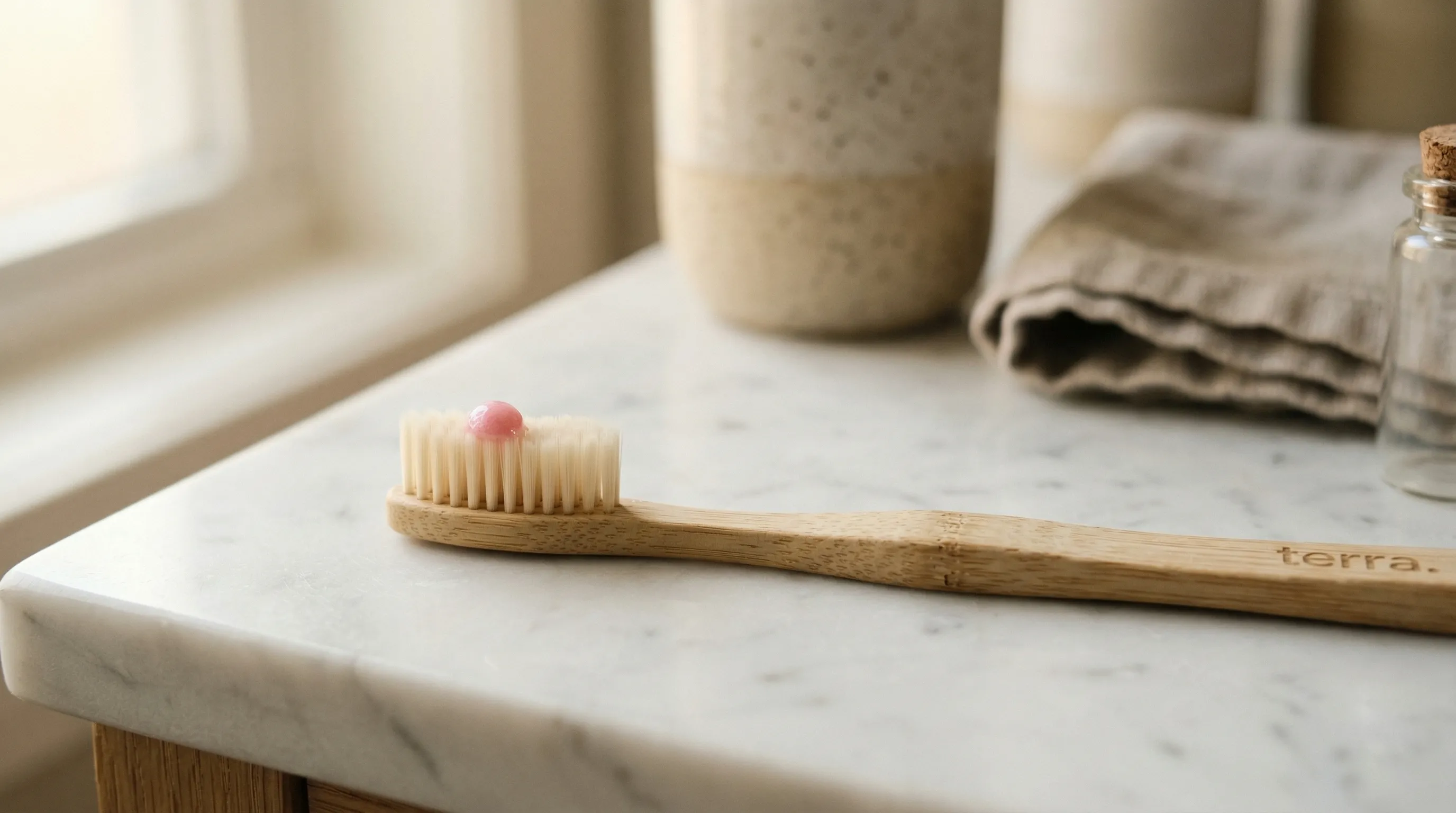
For best results, brush with desensitizing toothpaste twice daily and allow it to sit on your teeth for a minute before rinsing. Some dentists recommend applying a thin layer to sensitive areas at bedtime and leaving it on overnight. You should notice improvement within 2-4 weeks of consistent use.
Fluoride Rinses and Treatments
Fluoride strengthens enamel and may help block exposed dentinal tubules. Over-the-counter fluoride rinses (0.05% sodium fluoride) used daily can provide modest benefit.
For more severe sensitivity, your dentist can apply a professional-strength fluoride varnish (22,600 ppm) directly to sensitive areas. Studies in the Journal of Dentistry (2010) found that fluoride varnish provided significant sensitivity reduction lasting 8-24 weeks.
Hydroxyapatite Toothpaste
Hydroxyapatite (HAp) is the mineral that makes up 97% of tooth enamel. Toothpastes containing nano-hydroxyapatite may support remineralization by depositing mineral directly onto exposed dentin. A randomized controlled trial published in the Journal of Clinical Periodontology (2019) found that 15% nano-hydroxyapatite toothpaste was as effective as 5% potassium nitrate toothpaste at reducing sensitivity over 8 weeks.

Denticore
Gum & Tooth Support Supplement
DentiCore's mineral support formula may complement enamel remineralization efforts. Use alongside desensitizing toothpaste for a comprehensive approach to supporting tooth mineral health.
We may earn a commission if you make a purchase through our links, at no extra cost to you.
Dietary Modifications
What you eat and drink directly affects sensitivity. Consider these changes:
- Limit acidic foods and beverages — Soda, citrus juice, wine, tomato sauce, and vinegar erode enamel. If you do consume them, drink water immediately afterward.
- Wait 30 minutes before brushing after eating acidic foods — Acid temporarily softens enamel, and brushing too soon can accelerate erosion. Research published in General Dentistry (2004) confirmed that waiting at least 30 minutes protects enamel.
- Eat calcium-rich foods — Cheese, yogurt, and milk help neutralize acids and provide minerals that may support enamel maintenance.
- Drink cold beverages with a straw — This minimizes contact with sensitive teeth.
Saltwater Rinse
A simple saltwater rinse (1/2 teaspoon salt in 8 oz warm water) may reduce inflammation in gum tissue surrounding sensitive areas. While not a direct treatment for dentin hypersensitivity, it can soothe irritated gums that contribute to sensitivity at the gumline.
Avoid Whitening Products
If you're already experiencing sensitivity, pause all whitening toothpastes, strips, and treatments until the sensitivity resolves. Whitening products are abrasive and contain peroxides that worsen existing sensitivity.
When to See a Dentist
While mild, occasional cold sensitivity is usually manageable at home, certain patterns warrant professional evaluation. Consult your dentist if you experience:
- Sensitivity that persists longer than 30 seconds after the cold stimulus is removed — This may indicate pulp inflammation (pulpitis) rather than simple dentin hypersensitivity
- Sensitivity isolated to a single tooth — Could indicate a crack, cavity, or failing restoration
- Sensitivity accompanied by spontaneous pain — Pain without any stimulus suggests the nerve may be compromised
- Progressively worsening sensitivity over weeks or months despite using desensitizing products
- Visible gum recession or areas where teeth appear longer than before
- Sensitivity after dental work that worsens rather than improves over time
Your dentist has additional treatment options beyond what's available at home:
- In-office fluoride varnish — Higher concentration than OTC products
- Dental bonding — Applying resin to exposed root surfaces to seal dentinal tubules
- Gum grafting — For cases where significant recession has exposed root surfaces
- Night guard — If bruxism is contributing to enamel wear
- Root canal — In severe cases where the pulp is irreversibly inflamed, though this is a last resort
Prevention: Protecting Your Enamel
The best approach to cold sensitivity is preventing enamel loss and gum recession in the first place:
- Use a soft-bristle toothbrush and gentle technique — The American Dental Association recommends soft bristles for all adults
- Brush twice daily with fluoride toothpaste — Fluoride strengthens enamel against acid attack
- Floss daily to prevent gum disease that leads to recession
- Limit acidic food and drink frequency — It's the number of acid exposures, not just the amount, that drives erosion
- Chew sugar-free gum after meals — Stimulates protective saliva flow
- Wear a mouthguard if you grind your teeth at night
- Get regular dental checkups — Early detection of enamel wear, recession, and cracks prevents more serious problems
Denticore
Gum & Tooth Support Supplement
Supporting your teeth's mineral balance from the inside out may complement good brushing habits. DentiCore's formula is designed to support the minerals your enamel depends on.
We may earn a commission if you make a purchase through our links, at no extra cost to you.
The Bottom Line
Cold-sensitive teeth are your body's signal that dentin is exposed — whether from enamel erosion, gum recession, cracks, or dental procedures. The vast majority of sensitivity cases respond well to desensitizing toothpaste, fluoride treatments, and simple dietary changes. Start with a potassium nitrate or stannous fluoride toothpaste, give it 2-4 weeks of consistent use, and be mindful of acidic foods.
But don't ignore sensitivity that's severe, worsening, or localized to a single tooth. These patterns may indicate problems that require professional treatment. The earlier a crack, cavity, or advancing recession is caught, the simpler and less costly the fix.