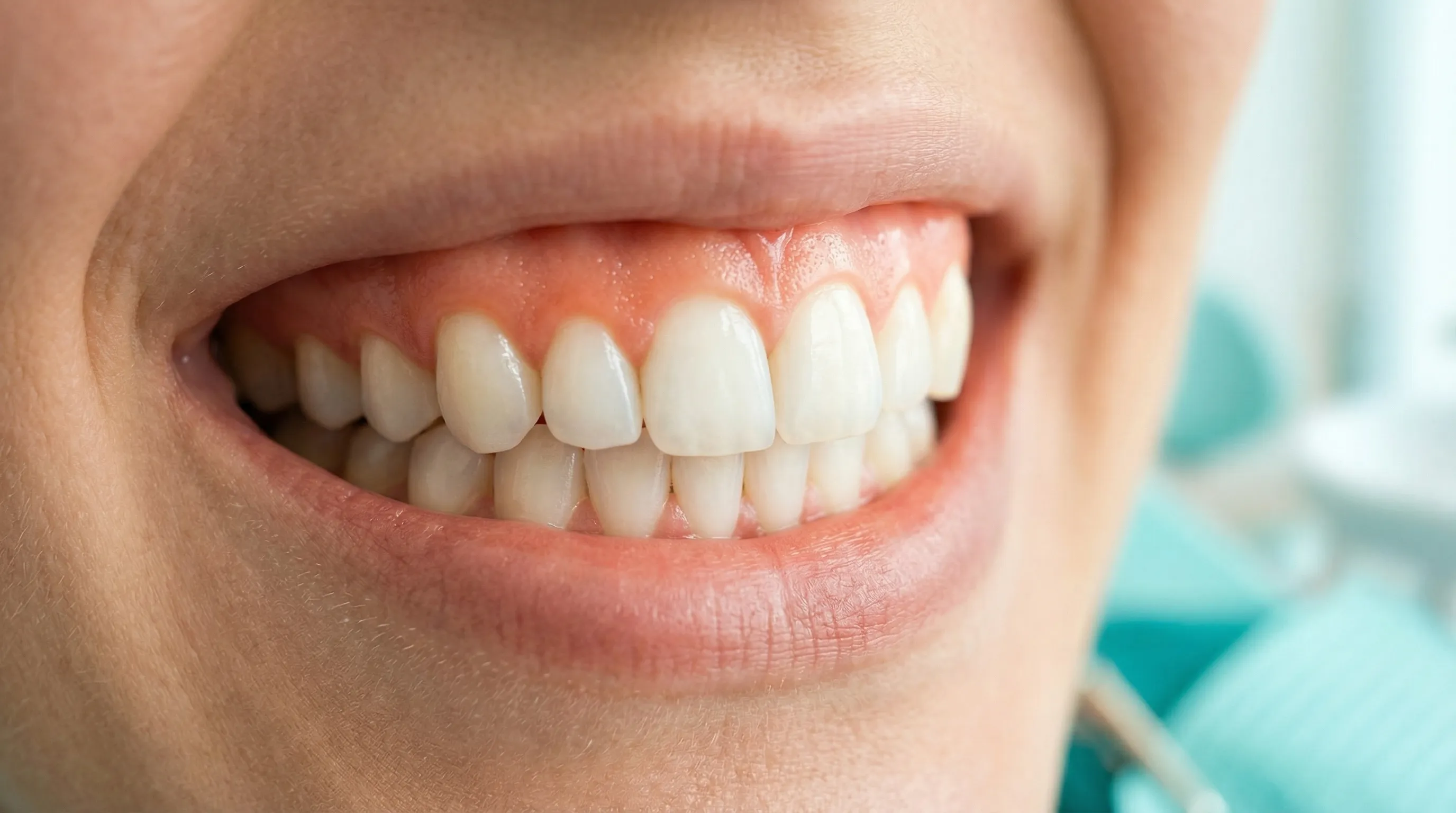
Tooth enamel can remineralize — but only in the earliest stage of decay, before a physical cavity has formed. The process requires calcium and phosphate ions (from saliva, diet, or supplements), a neutral to slightly alkaline oral pH, and the absence of ongoing acid attacks. Hydroxyapatite toothpaste and fluoride both promote remineralization through different mechanisms. Once a cavity has broken through the enamel surface, no amount of remineralization can repair it — you need a dentist.
If you've been told you have "early decay" or "watch areas" on your teeth, there's good news: your body already has a built-in repair system for tooth enamel. The problem is that modern diets and habits often overwhelm that system. Understanding how remineralization works — and how to support it — may allow you to reverse early damage before it becomes a cavity that requires a filling.
The Demineralization/Remineralization Cycle
Your teeth are in a constant state of mineral exchange with your saliva. This cycle runs continuously throughout the day:
Demineralization occurs when acid dissolves minerals (calcium and phosphate) out of tooth enamel. The acid comes from two sources:
- Bacterial acid — Oral bacteria (especially Streptococcus mutans) ferment sugars and produce lactic acid as a byproduct
- Dietary acid — Citrus fruits, vinegar, soda, wine, and other acidic foods/beverages directly erode enamel
When oral pH drops below approximately 5.5 (the "critical pH" for enamel), hydroxyapatite — the crystalline mineral that makes up 97% of enamel — begins to dissolve.
Remineralization is the reverse process. When oral pH rises back above 5.5, calcium and phosphate ions from saliva redeposit into damaged areas of enamel, repairing the microscopic damage. Saliva is naturally supersaturated with calcium and phosphate specifically for this purpose.
In a healthy mouth, these processes roughly balance out. Problems arise when demineralization consistently exceeds remineralization — when acid attacks are too frequent, saliva flow is reduced, or mineral supply is inadequate.
When Remineralization Is (and Isn't) Possible
This distinction is critical:
Remineralization CAN work for:
- White spot lesions (chalky white areas on enamel that indicate early mineral loss)
- Surface-level demineralization that hasn't broken through to form a cavity
- Areas where enamel is thinning but still structurally intact
Remineralization CANNOT work for:
- Cavities (holes) that have physically broken through the enamel surface
- Decay that has reached the dentin layer
- Tooth erosion that has removed the enamel entirely
- Cracks or fractures in teeth
A study in the Journal of Dental Research (2016) confirmed that white spot lesions can be reversed through remineralization therapies, but once cavitation has occurred, the lesion becomes irreversible without restorative treatment. If you're unsure whether your early decay is reversible, consult your dentist for an evaluation.
Evidence-Based Methods to Promote Remineralization
1. Hydroxyapatite Toothpaste (nHA)
Nano-hydroxyapatite (nHA) toothpaste is arguably the most exciting development in remineralization science. Hydroxyapatite is the same mineral your enamel is made of — nHA toothpaste supplies it directly to the tooth surface.
How it works: nHA particles fill in microscopic enamel defects, bonding directly to the tooth surface. Unlike fluoride (which creates a harder but chemically different mineral), nHA restores enamel with its native mineral.
What the research shows:
- A randomized controlled trial in the Journal of Dentistry (2019) found that 10% nHA toothpaste was as effective as fluoride toothpaste at remineralizing early enamel lesions.
- A study in BDJ Open (2019) found that nHA toothpaste significantly reduced dentin hypersensitivity compared to placebo.
- A systematic review in the Journal of Evidence-Based Dental Practice (2021) concluded that nHA toothpaste shows "comparable anticaries efficacy" to fluoride toothpaste.
How to use: Brush twice daily with nHA toothpaste. For maximum effect, spit but don't rinse after brushing — let the nHA remain on your teeth. Popular nHA toothpaste brands include Boka, Apagard, and RiseWell.
2. Fluoride — The Established Standard
Fluoride has been the gold standard for remineralization for decades. Its mechanism is well-established and supported by extensive research.
How it works: Fluoride ions incorporate into the enamel crystal structure, converting hydroxyapatite to fluorapatite. Fluorapatite is harder, more acid-resistant, and has a lower critical pH (approximately 4.5 vs. 5.5), meaning it can withstand more acid before dissolving.
What the research shows:
- A Cochrane review (2015) of 96 studies confirmed that fluoride toothpaste reduces caries in children and adolescents by 24-33%.
- Fluoride also inhibits bacterial enzymes involved in acid production, providing an additional protective mechanism.
Fluoride vs. nHA — Which is better?
Both work, through different mechanisms:
- Fluoride creates a harder, more acid-resistant enamel surface (fluorapatite)
- nHA repairs enamel with its native mineral (hydroxyapatite)
- Current evidence suggests they are roughly equivalent for remineralization of early lesions
- nHA has the advantage of being non-toxic if swallowed, making it appealing for children
- Fluoride has decades more clinical evidence and remains the most studied option
Some people use both: nHA toothpaste for morning brushing and fluoride toothpaste at night (or vice versa). There is no evidence of harm from alternating.
3. Dietary Changes — Reduce the Acid Load
No remineralization agent can keep up with constant acid attacks. Dietary modification is arguably more important than any toothpaste:
Reduce or eliminate:
- Frequent sugar consumption — Every sugar exposure triggers a 20-30 minute acid attack. The frequency of sugar matters more than the total amount. Five small candy snacks throughout the day cause more damage than eating the same amount of candy in one sitting.
- Soda and energy drinks — Both regular and diet varieties are highly acidic (pH 2.5-3.5). A study in General Dentistry (2013) found that diet soda was as erosive as regular soda and methamphetamine (the "Mountain Dew mouth" study).
- Sipping acidic beverages — Prolonged sipping keeps oral pH low for extended periods. If you drink coffee, juice, or wine, finish it in a reasonable time rather than nursing it over hours.
- Acidic foods consumed alone — Citrus, tomatoes, and vinegar-based dressings are fine as part of a meal (food buffers the acid), but problematic as standalone snacks.
Increase:
- Mineral-rich foods — Dairy (cheese, yogurt, milk), leafy greens, nuts, seeds, and bone broth provide calcium and phosphorus
- Fibrous vegetables — Carrots, celery, and apples stimulate saliva flow and physically scrub teeth
- Water — Plain water rinses acid and restores neutral pH
- Cheese after meals — Research in General Dentistry (2013) found that eating cheese after a meal raised oral pH above the critical threshold, promoting remineralization. Cheese contains calcium, phosphate, and casein, all of which support mineral redeposition.
4. Saliva — Your Body's Remineralization Fluid
Saliva is the unsung hero of remineralization. It provides the calcium and phosphate ions needed for mineral repair, buffers oral pH back to neutral after acid attacks, and contains antimicrobial proteins that control bacterial populations.
Factors that reduce saliva flow (and therefore remineralization capacity):
- Medications (antihistamines, antidepressants, blood pressure medications, and over 500 others)
- Mouth breathing (especially during sleep)
- Dehydration
- Aging
- Autoimmune conditions (Sjogren's syndrome)
- Radiation therapy to the head/neck
How to support saliva production:
- Stay well-hydrated (at least 2 liters of water daily)
- Chew sugar-free gum (especially xylitol gum — see below)
- Breathe through your nose, especially at night
- If you have chronic dry mouth, talk to your dentist about saliva substitutes or prescription sialagogues
5. Xylitol — The Anti-Cavity Sweetener
Xylitol is a sugar alcohol that tastes sweet but cannot be fermented by S. mutans (the primary cavity-causing bacterium). In fact, S. mutans expends energy trying to metabolize xylitol and fails, effectively starving the bacteria.
What the research shows:
- A systematic review in Cochrane Database of Systematic Reviews (2015) found moderate evidence that xylitol-containing products reduce caries rates by 13% compared to non-xylitol products.
- A study in Journal of Dental Research (2000) found that xylitol gum use 3-5 times daily after meals significantly reduced S. mutans counts.
- Xylitol also stimulates saliva production, increasing the supply of remineralizing minerals.
How to use: Chew xylitol gum or use xylitol mints for 5-10 minutes after meals, 3-5 times daily. The effective dose is approximately 6-10 grams of xylitol per day. Check labels — xylitol should be the first sweetener listed, not a minor ingredient.
Note: Xylitol is highly toxic to dogs. If you have pets, store xylitol products securely.
6. Calcium and Phosphorus Supplementation
If dietary intake is inadequate, supplementation may support the remineralization process from within:
- Calcium: 1,000mg daily for adults (from diet plus supplements)
- Phosphorus: 700mg daily (usually adequate from diet alone)
- Vitamin D3: 2,000-4,000 IU daily (essential for calcium absorption — without it, calcium supplements are poorly utilized)
- Vitamin K2: 100-200 mcg daily (directs calcium into teeth and bones rather than soft tissues)

Denticore
Gum & Tooth Support Supplement
DentiCore combines calcium, phosphorus, and supporting minerals in a formula designed for tooth and gum support. May help address dietary mineral gaps that impair remineralization.
We may earn a commission if you make a purchase through our links, at no extra cost to you.
A study in the American Journal of Medicine (2001) found that calcium and vitamin D supplementation reduced tooth loss over a 5-year period, supporting the concept that systemic mineral supply affects dental outcomes.
7. Casein Phosphopeptide-Amorphous Calcium Phosphate (CPP-ACP)
CPP-ACP (marketed as Recaldent or MI Paste) is a dairy-derived compound that delivers bioavailable calcium and phosphate directly to the tooth surface.
What the research shows:
- A systematic review in the Journal of Dentistry (2018) found that CPP-ACP significantly enhanced remineralization of white spot lesions beyond what fluoride alone achieved.
- CPP-ACP binds to dental plaque, tooth enamel, and soft tissue, creating a reservoir of bioavailable calcium and phosphate at the tooth surface.
How to use: Apply MI Paste to teeth after brushing, leave for 3 minutes, then spit (don't rinse). Available over the counter. Not suitable for people with dairy allergies.
A Practical Remineralization Protocol
If you have white spots or early demineralization:
Daily routine:
- Brush morning and night with nHA or fluoride toothpaste (or alternate between them)
- Don't rinse after brushing — spit and leave the residue
- Chew xylitol gum after each meal and snack (3-5 times daily)
- Drink water throughout the day; avoid sipping acidic beverages
- Eat a piece of cheese or drink milk after acidic foods
- Apply CPP-ACP paste (MI Paste) before bed if recommended by your dentist
Dietary framework:
- Limit sugar and acid exposures to mealtimes only (no grazing)
- Ensure adequate calcium (1,000mg), phosphorus, and vitamin D3
- Eat mineral-rich foods: dairy, leafy greens, nuts, fish with bones
Timeline: Visible improvement in white spot lesions may take 2-6 months of consistent effort. Remineralization is a slow process — patience is essential.
Common Mistakes That Sabotage Remineralization
- Brushing immediately after eating acidic food — Acid softens enamel temporarily. Brushing within 30 minutes of acid exposure can physically scrub away softened enamel. Wait 30 minutes, or rinse with water first.
- Rinsing with water after brushing — This washes away the remineralizing agents in your toothpaste. Spit, don't rinse.
- Using mouthwash immediately after brushing — Same problem as water rinsing. Use mouthwash at a different time (e.g., after lunch).
- Grazing or sipping throughout the day — Frequency of acid exposure matters more than total amount. Three meals with no snacks gives your teeth more recovery time than six smaller meals.
- Ignoring dry mouth — Without adequate saliva, no amount of remineralizing toothpaste can compensate. Address the cause of dry mouth.
When to See a Dentist
Remineralization is a home-based, preventive strategy for early-stage damage. See your dentist if:
- You can see or feel a hole in a tooth (that's a cavity, not a white spot)
- Sensitivity to hot, cold, or sweets is persistent or worsening
- White spots are turning brown (indicating progressing decay)
- You're unsure whether your tooth damage is reversible
Your dentist can assess lesion depth with clinical examination and sometimes radiographs, and may recommend professional-grade remineralization treatments (higher-concentration fluoride varnish, prescription-strength nHA, or CPP-ACP with fluoride) for more advanced cases.
Denticore
Gum & Tooth Support Supplement
For ongoing mineral support, DentiCore provides calcium, phosphorus, and complementary nutrients that may support the remineralization process from within. Best used alongside topical remineralization methods.
We may earn a commission if you make a purchase through our links, at no extra cost to you.