Gum disease (gingivitis and periodontitis) requires professional dental treatment — no supplement cures it alone. However, targeted supplements can significantly support treatment outcomes and help prevent recurrence. Our top evidence-based picks: ProDentim (oral probiotic with L. reuteri), DentiCore (CoQ10 + mineral support), and vitamin C (essential for gum tissue repair).
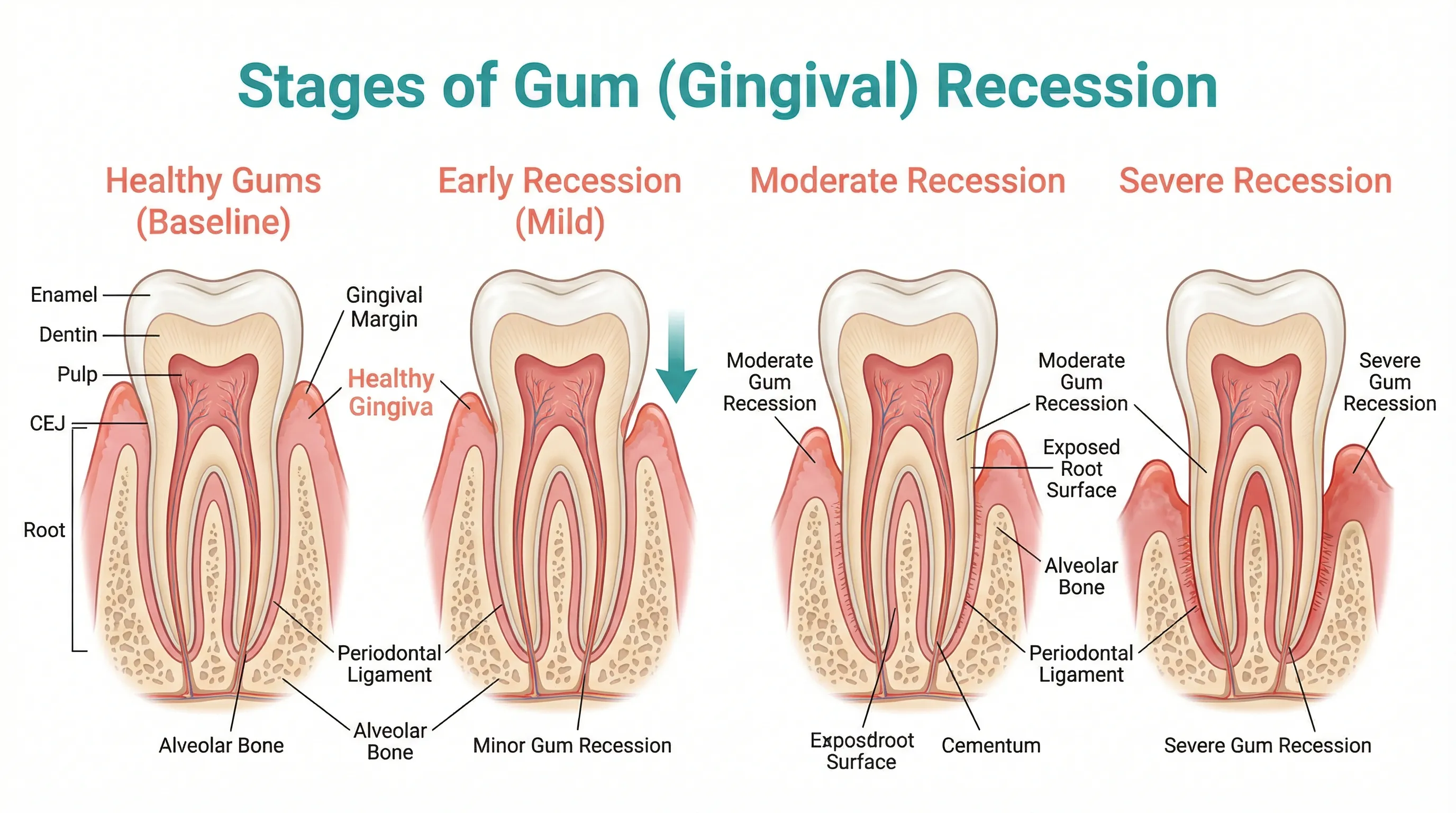
Gum disease affects nearly half of American adults over 30, according to the CDC. It ranges from mild gingivitis (reversible with proper care) to severe periodontitis (irreversible bone and tissue loss requiring professional intervention).
While dental treatment is non-negotiable for active gum disease, supplements have emerged as a genuine complementary strategy. Multiple clinical trials now support specific supplements for improving periodontal outcomes when used alongside professional care.
This guide ranks the most evidence-backed supplements for gum disease, distinguishes what works from what's overhyped, and provides practical guidance on how to use them.
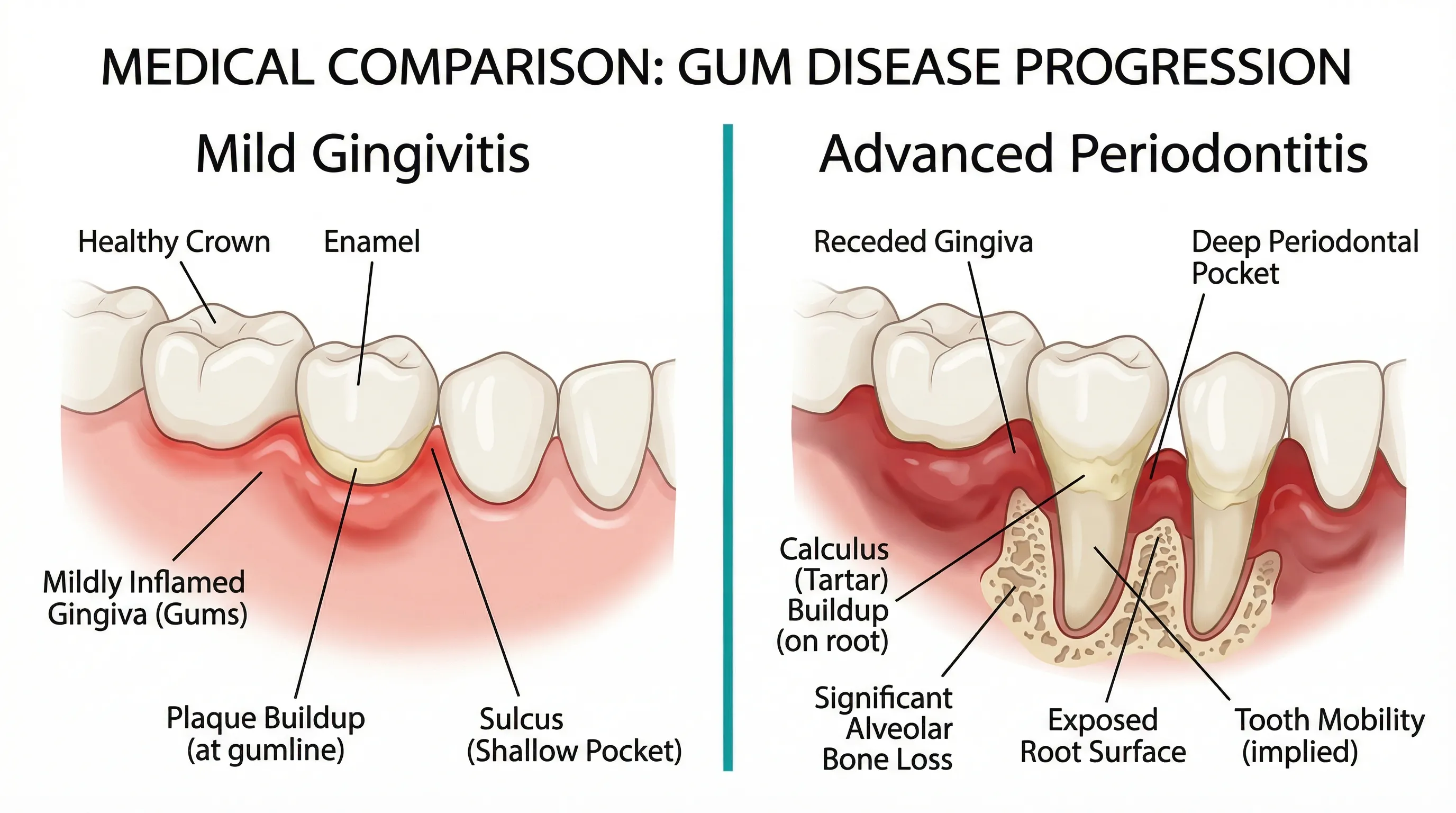
A Critical Distinction: Gingivitis vs. Periodontitis
Before choosing supplements, understand which condition you're dealing with:
Gingivitis (reversible):
- Red, swollen, bleeding gums
- No bone loss
- Caused by plaque accumulation
- Reversible with improved hygiene and potentially supplements alone
Periodontitis (requires professional treatment):
- Bone loss around teeth
- Periodontal pockets deeper than 3mm
- Possible tooth mobility
- Requires scaling and root planing, possibly surgery
- Supplements support treatment but do NOT replace it
If you're unsure which you have, see your dentist. Supplements are most impactful for gingivitis prevention/reversal and as adjuncts to professional periodontitis treatment.
Ranking Methodology
We evaluated supplements based on:
- Level of evidence — Systematic reviews and meta-analyses rank highest
- Specificity to periodontal health — Direct vs. indirect mechanisms
- Effect size — How meaningful are the clinical improvements?
- Practical availability — Can you easily obtain and use this supplement?
- Safety — Long-term safety profile for ongoing use
Top Supplements for Gum Disease Support
| Product | Rating | Best For | Key Features | Action |
|---|---|---|---|---|
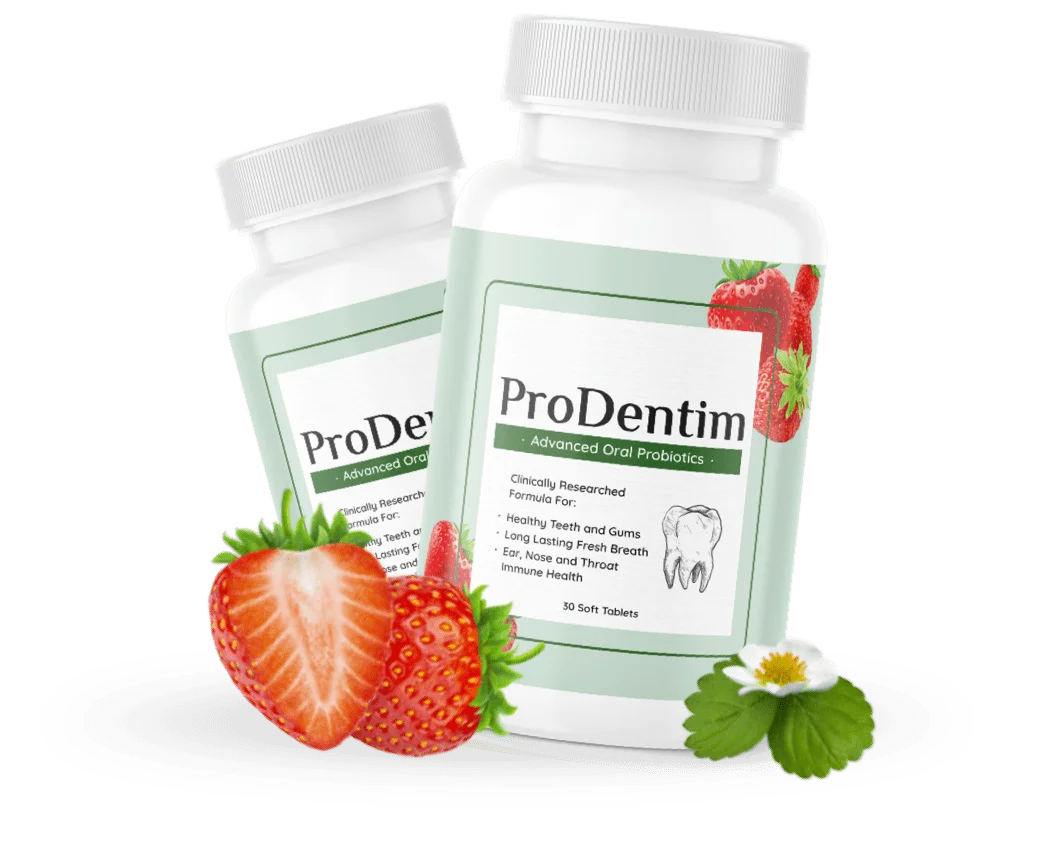 ProDentim | ★★★★ 4.8/5 | Reducing gum inflammation and pathogenic bacteria |
| Visit Site |
 Denticore | ★★★★ 4.6/5 | CoQ10 for gum tissue + mineral support |
| Visit Site |
 ProvaDent | ★★★★ 4.7/5 | Probiotics + natural antibacterial agents |
| Visit Site |
We may earn a commission if you make a purchase through our links, at no extra cost to you.
Tier 1: Strong Clinical Evidence
1. Oral Probiotics (L. reuteri) — ProDentim
Evidence level: Multiple systematic reviews and RCTs
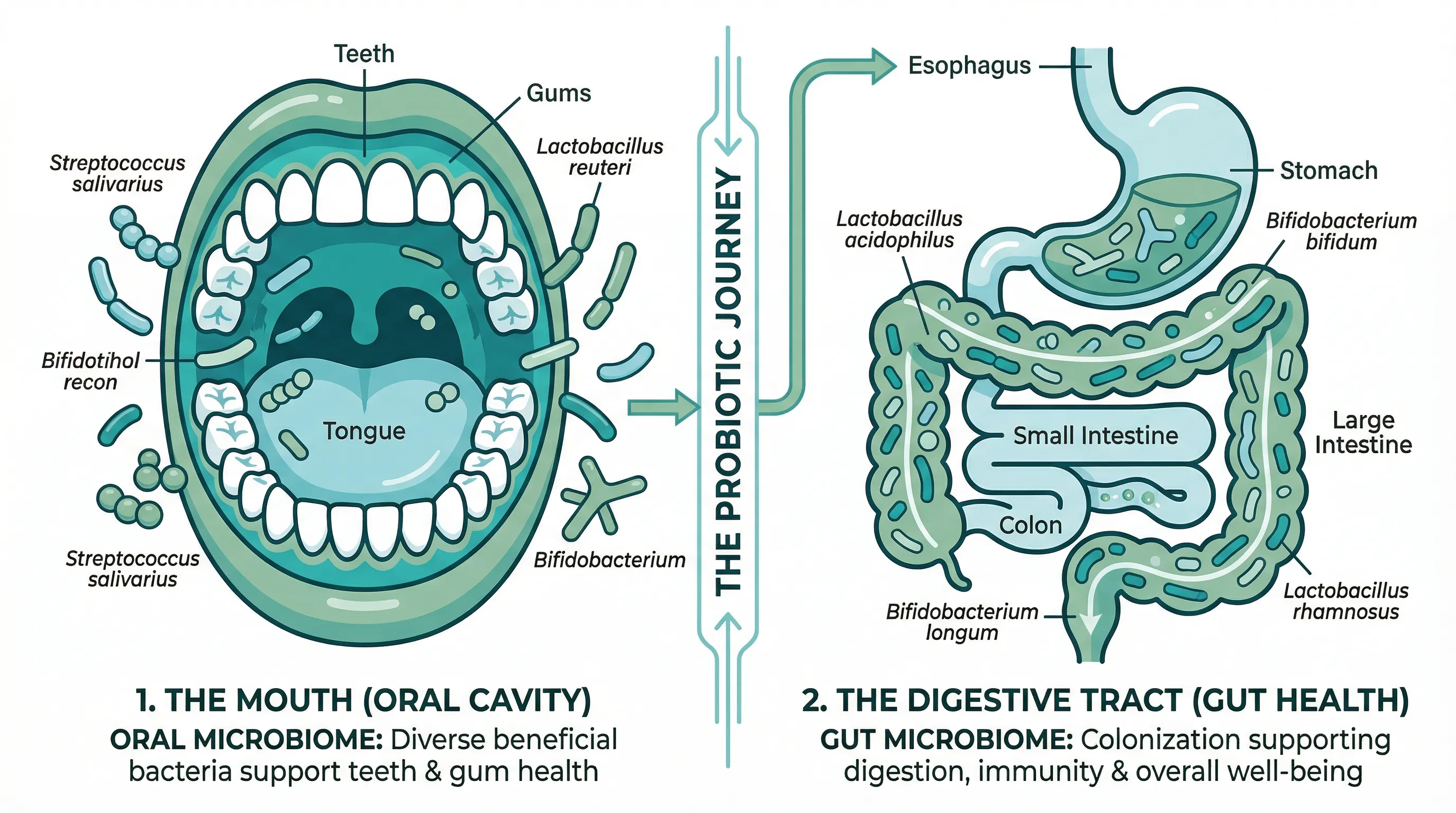
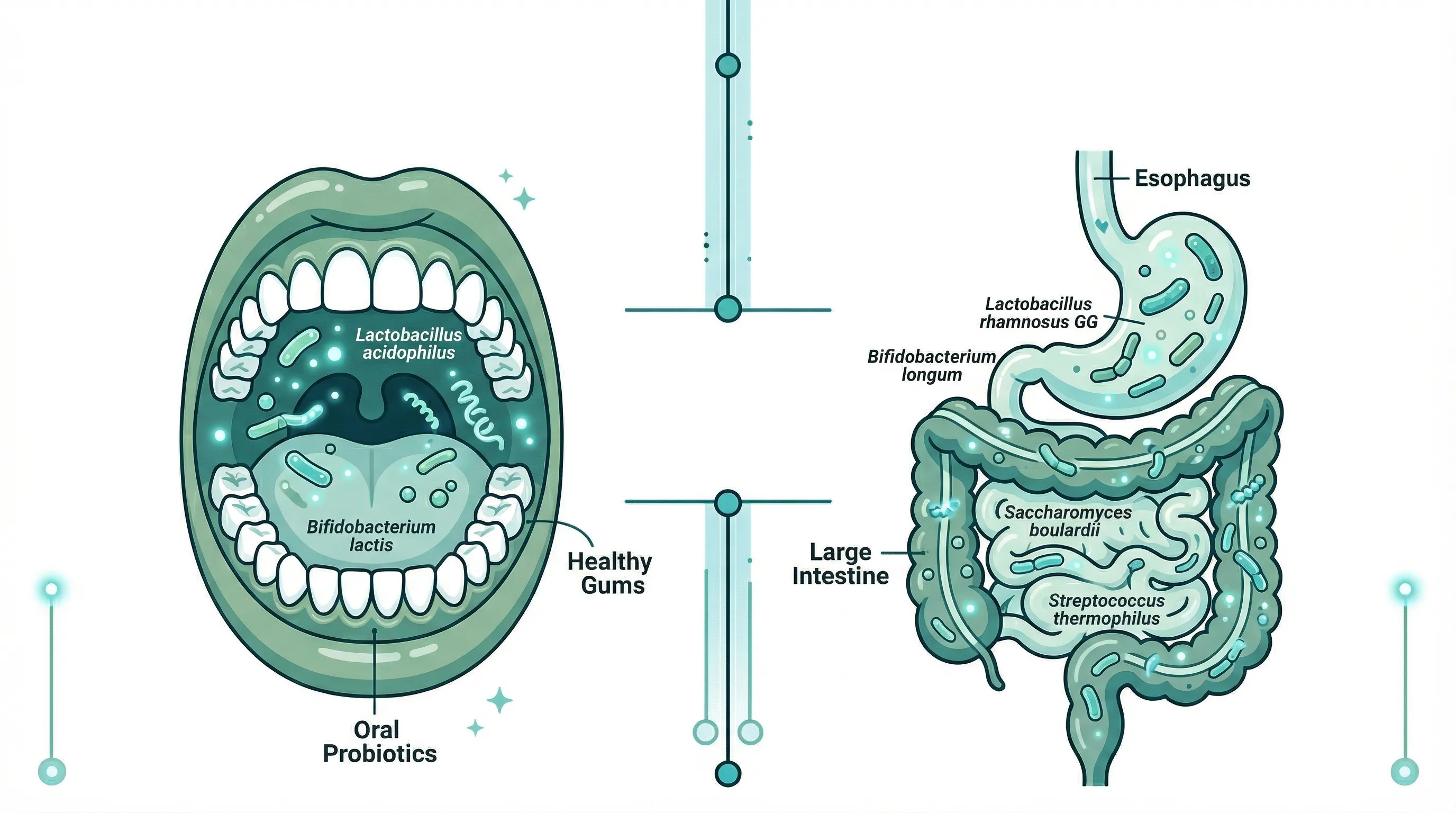
Lactobacillus reuteri is the most well-studied probiotic strain for periodontal health. The evidence base is substantial:
- Systematic review (Journal of Clinical Periodontology, 2020): L. reuteri supplementation significantly reduced bleeding on probing and pocket depth in patients with chronic periodontitis
- RCT (Twetman et al., 2009): L. reuteri reduced gingival inflammation by 42% over 12 weeks
- Meta-analysis (Nutrients, 2021): Probiotic supplementation improved clinical attachment level (CAL) — the gold-standard measure of periodontal tissue health
- Mechanistic studies: L. reuteri produces reuterin (a natural antimicrobial), inhibits periodontal pathogens (P. gingivalis, T. forsythia), and modulates the inflammatory response
ProDentim delivers 3.5 billion CFU of L. reuteri plus L. paracasei and B.lactis BL-04 in a dissolvable tablet format designed for oral colonization.
When to use: During and after professional periodontal treatment. Also effective for gingivitis prevention.
ProDentim
Oral Probiotic for Gum & Teeth Health
The most evidence-backed supplement for periodontal health — L. reuteri's clinical data for reducing gum inflammation is robust.
We may earn a commission if you make a purchase through our links, at no extra cost to you.
2. Coenzyme Q10 (CoQ10) — DentiCore
Evidence level: Meta-analysis and multiple RCTs
CoQ10 has a specific and well-documented relationship with periodontal disease:
- Meta-analysis (Journal of Indian Society of Periodontology, 2021): CoQ10 supplementation significantly reduced gingival inflammation, pocket depth, and bleeding on probing
- Tissue studies (Biofactors, 2017): CoQ10 concentrations are measurably lower in diseased gum tissue compared to healthy tissue
- RCT (Molecular Biotechnology, 2020): Both topical and systemic CoQ10 improved healing outcomes after periodontal treatment
- Mechanism: CoQ10 is a potent antioxidant that protects gum cells from oxidative damage, supports mitochondrial energy production for tissue repair, and reduces inflammatory mediators
DentiCore includes CoQ10 alongside calcium, phosphorus, copper (for collagen), and tissue-oxygenating compounds — a comprehensive nutritional approach.
When to use: As ongoing nutritional support, especially valuable during periodontal treatment and recovery.
Denticore
Gum & Tooth Support Supplement
Best nutritional approach — CoQ10's periodontal evidence is backed by a meta-analysis, and the mineral formula supports tissue repair.
We may earn a commission if you make a purchase through our links, at no extra cost to you.
3. Vitamin C (Ascorbic Acid)
Evidence level: Established nutritional science + periodontal studies
Vitamin C is foundational for gum health — it's required for collagen synthesis, and your gums are primarily collagen. The connection between vitamin C deficiency and gum disease is one of the oldest observations in medicine (scurvy).
Modern research:
- Journal of Periodontology (2007): Low vitamin C intake significantly associated with increased periodontitis prevalence in a large-scale NHANES analysis
- Nutrition Reviews (2013): Vitamin C supplementation improved gum health markers in patients with gingivitis
- European Journal of Nutrition (2019): Higher plasma vitamin C levels were inversely associated with periodontal disease severity
- Mechanism: Vitamin C supports collagen cross-linking, antioxidant defense, immune cell function, and wound healing in gum tissue
Dosage: 500-1000mg daily. Higher doses may be beneficial during active periodontal treatment. Water-soluble, so excess is excreted safely.
4. Omega-3 Fatty Acids (EPA/DHA)
Evidence level: Systematic reviews and multiple RCTs
Omega-3s are powerful anti-inflammatory agents with direct periodontal applications:
- Systematic review (Journal of the American Dietetic Association, 2010): Omega-3 supplementation reduced pocket depth and improved clinical attachment levels
- RCT (Journal of Periodontology, 2014): Omega-3s plus low-dose aspirin significantly improved periodontal outcomes in chronic periodontitis patients
- Population study (Journal of Dental Research, 2010): Higher dietary omega-3 intake inversely associated with periodontitis prevalence
- Mechanism: EPA and DHA reduce pro-inflammatory cytokines (TNF-alpha, IL-1beta, IL-6), produce specialized pro-resolving mediators (resolvins), and support immune resolution of chronic inflammation
Dosage: 1-2 grams combined EPA/DHA daily from fish oil or algal oil.
Tier 2: Promising Evidence
5. Vitamin D3
Vitamin D deficiency is linked to increased periodontal disease risk through multiple pathways:
- A meta-analysis in Journal of Periodontal Research (2020) found significant association between vitamin D deficiency and periodontitis
- Vitamin D supports antimicrobial peptide production in gum tissue
- Supports calcium absorption for alveolar bone maintenance
- Modulates the immune response to periodontal pathogens
Dosage: 2000-4000 IU daily, ideally based on blood test results.
6. Cranberry Extract — ProvaDent
Cranberry's A-type proanthocyanidins have a unique mechanism: they inhibit bacterial adhesion to surfaces, including tooth surfaces.
- Journal of Dental Research (2015): Cranberry polyphenols inhibited S. mutans adhesion
- Caries Research (2019): Cranberry extract disrupted glucan synthesis, reducing biofilm formation
ProvaDent combines cranberry with probiotics, neem, and tea tree oil for a dual-action approach.
ProvaDent
Advanced Dental Probiotic Formula
Unique antimicrobial approach — cranberry's anti-biofilm action plus probiotics for microbial rebalancing.
We may earn a commission if you make a purchase through our links, at no extra cost to you.
7. Green Tea Extract (EGCG)
EGCG (epigallocatechin gallate) from green tea has multiple periodontal benefits:
- Inhibits matrix metalloproteinases (MMPs) that break down gum tissue collagen
- Reduces S. mutans counts and acid production
- Anti-inflammatory effects via NF-kB pathway inhibition
- A meta-analysis in Archives of Oral Biology (2016) confirmed significant reduction in oral pathogen counts
Dosage: 250-500mg standardized green tea extract daily, or 3-4 cups of green tea.
Tier 3: Supportive Evidence
8. Zinc
Well-established for reducing plaque and volatile sulfur compounds. Useful for bad breath associated with gum disease. Found in many professional dental products.
9. Curcumin (Turmeric Extract)
Anti-inflammatory compound with periodontal research showing it reduces plaque and gingival inflammation comparably to chlorhexidine when used as a mouthwash. Systemic supplementation evidence is less robust.
10. Hyaluronic Acid
Topical application shows promise for gum healing after periodontal procedures. Oral supplementation evidence for dental applications is limited but growing.
Practical Supplement Protocol for Gum Disease
Basic Protocol (prevention and mild gingivitis):
- Vitamin C: 500mg daily
- Vitamin D3: 2000 IU daily
- ProDentim: 1 dissolvable tablet daily after brushing
Advanced Protocol (alongside professional periodontal treatment):
- ProDentim: 1 dissolvable tablet daily after brushing
- DentiCore: 1 capsule daily with dinner
- Vitamin C: 1000mg daily
- Omega-3: 1-2g EPA/DHA daily
- Vitamin D3: 2000-4000 IU daily (check blood levels)
Important Reminders:
- Always work with your dentist — supplements complement professional treatment
- Stay consistent — most supplements need 6-12 weeks for measurable effects
- Don't skip basics — brushing 2x/day, daily flossing, regular cleanings are non-negotiable
- Quit smoking — tobacco use dramatically accelerates periodontal destruction and reduces the effectiveness of any supplement or treatment
What to Avoid
Not all supplements marketed for gum disease are worthwhile:
- Colloidal silver — No evidence for periodontal benefits, potential toxicity
- High-dose vitamin E — Some research suggests it may actually increase bleeding
- Unregulated "dental detox" products — Often lack ingredient transparency
- Any product claiming to "cure" gum disease — This is a red flag. Professional treatment is required for periodontitis.
The Bottom Line
The strongest evidence for gum disease supplements points to a clear hierarchy:
- L. reuteri probiotics (ProDentim) — Most direct evidence for periodontal improvement
- CoQ10 (DentiCore) — Meta-analysis support for gum inflammation reduction
- Vitamin C — Essential for collagen synthesis and gum tissue integrity
- Omega-3 fatty acids — Strong anti-inflammatory effects relevant to periodontitis
- Vitamin D3 — Supports immune defense and calcium metabolism
Used together alongside professional dental care, these supplements provide comprehensive nutritional and microbial support for managing gum disease.
No supplement replaces your dentist. But the right supplements can meaningfully improve your outcomes.